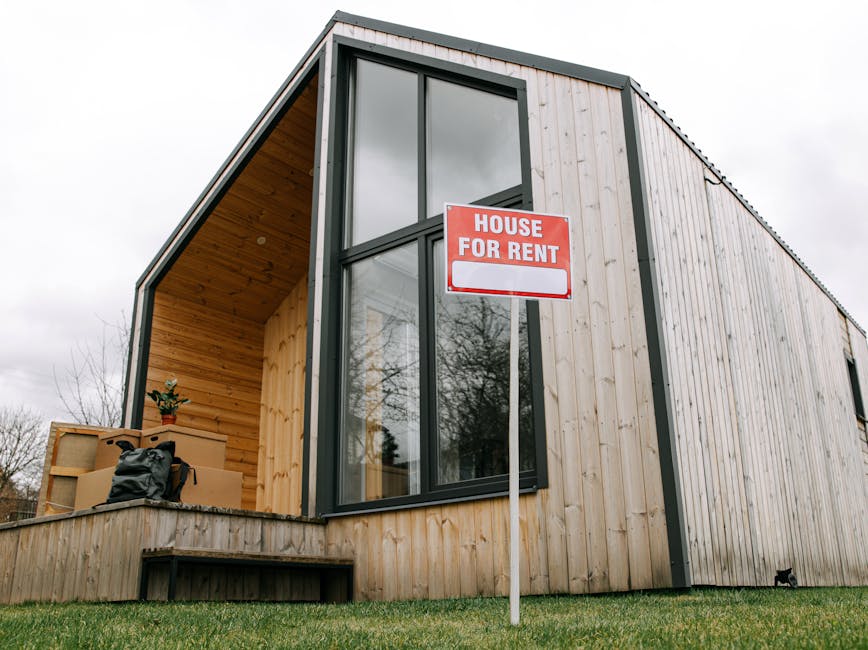
If you own residential rental property in Richmond, California, you need to understand the Richmond rent program. It's a local ordinance that affects how much you can raise rent, what happens during evictions, and your legal obligations as a landlord. Let's break down what it actually means for your investment.
What Is the Richmond Rent Program?
The Richmond rent program is a local rental housing ordinance designed to promote neighborhood stability and housing affordability. It caps annual rent increases on most covered residential units and gives tenants stronger protections against displacement.
The program sits on two main pillars: a fair rent ordinance that limits how much you can increase rent each year, and just-cause eviction protections that restrict when and how you can remove a tenant. Think of it as a framework that balances tenant security with your rights as an owner.
Unlike some Bay Area communities, Richmond's program applies to most residential units in the city. You'll need to know the specifics of what's covered, what's exempt, and how to stay compliant. If you're new to the area or managing property across multiple East Bay communities like Alameda or San Leandro, this gets even more important because the rules differ from city to city.
Who Is Covered by the Richmond Rent Program?
Most residential rental units in Richmond fall under the program's protection. This includes apartments, single-family homes rented out, duplexes, and other residential dwellings. However, specific exemptions exist, so you can't assume every property you own is covered.
Some units are exempt from rent caps. These typically include newly constructed units (built after certain dates), owner-occupied buildings with a small number of units, and properties that meet specific criteria set by the city. The key is checking whether your specific property qualifies as "covered" under the ordinance.
If you're unsure, you can contact the Richmond Rent Program office directly at (510) 234-RENT (7368) or visit them (second floor) in Richmond. They'll tell you straight whether your unit is covered.
How Rent Increases Work Under the Program
Here's what landlords often get wrong: you can't raise rent by any amount you want, whenever you want. The Richmond rent program sets an annual limit on how much you can increase rent on covered units.
Related: Mountain View Rent Control: What Landlords Need to Know
Related: Providence Rent Control: What Landlords Need to Know in 2026
Related: California Rent Control 2026: What Landlords Need to Know
Related: Rent Increase Laws: What Bay Area Landlords Need to Know
The specific percentage changes each year based on a formula tied to economic conditions. You need to know the current year's allowable increase before you raise rent on any tenant. If you go over that limit, you're in violation of the ordinance and could face legal consequences.
Importantly, you also have to give proper notice before raising rent. The notice period is set by the ordinance, so you can't just surprise a tenant with a new rent amount. Timing and documentation matter here.
If you own property in other East Bay cities like Alameda or San Leandro, remember that each city has its own rent control rules or no rules at all. Don't assume Richmond's limits apply everywhere you invest.
Rent Adjustment Petitions and Your Rights
Here's where many owners don't realize they have leverage: you can file a rent adjustment petition if you believe the allowable increase doesn't reflect your actual costs and circumstances.
Related: San Francisco Rent Ordinance: What Owners Need to Know
Maybe your property taxes went up significantly, or maintenance and repair costs spiked. The ordinance lets landlords petition for higher increases in those situations. Tenants can also file petitions to request rent reductions if they believe their rent is unfair.
Filing a petition requires documentation. You'll need to show the financial basis for your request, whether that's increased operating costs, capital improvements, or other legitimate factors. The process isn't automatic, but it exists so owners aren't locked into increases that don't match reality.
If you're managing multiple properties across the Bay Area, this is where professional guidance becomes valuable. MarinOak Management helps owners navigate local ordinances in Oakland, Berkeley, Alameda, San Leandro, and beyond, ensuring you stay compliant while protecting your investment.
Just-Cause Eviction Requirements
The Richmond rent program isn't just about rent caps. It also restricts your ability to evict tenants.
Under the ordinance, you can't remove a tenant for arbitrary reasons. You need just cause, which means a legitimate reason recognized by the law. Valid reasons include non-payment of rent, lease violations, property damage, or owner move-in. You can't evict someone simply because you want to raise rent significantly or because you prefer different tenants.
The process also requires proper notice and, in most cases, an opportunity for the tenant to fix the problem (called a "cure period" for violations). You have to follow these steps exactly. Failing to do so can result in the eviction being thrown out, and you could face liability.
Just-cause protections exist in many East Bay communities, though the specifics vary. If you're landlording in Alameda, San Leandro, or other nearby areas, each city has its own rules about what constitutes just cause and how much notice is required.
Key Compliance Tips for Richmond Property Owners
Staying compliant with the Richmond rent program isn't complicated if you know what to do. Here are the essentials:
- Know the current year's allowable rent increase percentage before raising any tenant's rent.
- Document everything when you raise rent or take any adverse action against a tenant.
- Give the required notice period before any rent increase takes effect.
- Keep records of maintenance costs, repairs, and capital improvements that might support a petition for higher increases.
- Understand what counts as just cause for eviction in Richmond specifically.
- Contact the Richmond Rent Program office if you're unsure about any rules or your property's coverage status.
Many owners across the Bay Area find that staying on top of local ordinances is easier when you have support. Whether you're in Richmond, Alameda, San Leandro, or Oakland, knowing the rules protects you from costly mistakes.
What Happens If You Violate the Program?

Violations carry real consequences. If you raise rent above the allowable limit without a valid petition, a tenant can file a complaint. This could result in being ordered to refund the excess rent you collected, plus potential penalties and legal fees.
Illegal evictions also trigger liability. If you remove a tenant without just cause or without following proper notice procedures, the eviction can be overturned and you could face damages. The tenant also might be able to sue for additional remedies.
The Richmond Rent Program office takes complaints seriously, and they have the power to investigate and enforce the ordinance. The goal isn't to punish owners, but violations do happen when landlords don't fully understand the rules or try to work around them.
How to Get Help with the Richmond Rent Program
You have several resources available. The Richmond Rent Program office staff can answer questions about coverage, allowable increases, petition procedures, and compliance requirements. Call (510) 234-RENT (7368) or visit in person
You should also consider consulting with a property management professional or attorney who knows Bay Area rent control ordinances. Local rules are complex and they vary significantly from city to city. What works in Richmond doesn't work in Alameda or San Leandro.
If you want to eliminate the day-to-day headaches of managing rentals and staying compliant with local laws, MarinOak Management handles tenant placement, rent collection, maintenance coordination, and legal compliance across the East Bay. That way you stop worrying about whether you're following the rules correctly and start focusing on your investment returns.
What properties are exempt from the Richmond rent program?
Some units are exempt, typically including newly constructed buildings built after a certain date, owner-occupied properties with a small number of units, and other properties meeting specific city criteria. Contact the Richmond Rent Program office to confirm whether your property qualifies as covered or exempt.
Can I raise rent more than the allowable amount if I file a petition?
You can request a higher increase by filing a rent adjustment petition if you have documented financial reasons, such as significantly increased operating costs or capital improvements. However, the petition isn't automatic approval. You'll need to provide evidence, and the city will evaluate your request.
What notice do I have to give before raising rent in Richmond?
The Richmond rent program requires a specific notice period before any rent increase takes effect. The exact number of days varies based on the situation, so check the current ordinance or call (510) 234-RENT (7368) to confirm the required timeline for your notice.
Can I evict a tenant to move into the unit myself?
Owner move-in is considered just cause under the Richmond ordinance, so yes, you can evict a tenant for this reason. However, you must follow the proper legal procedures, give the required notice period, and comply with all other eviction requirements. Skipping steps will invalidate the eviction.