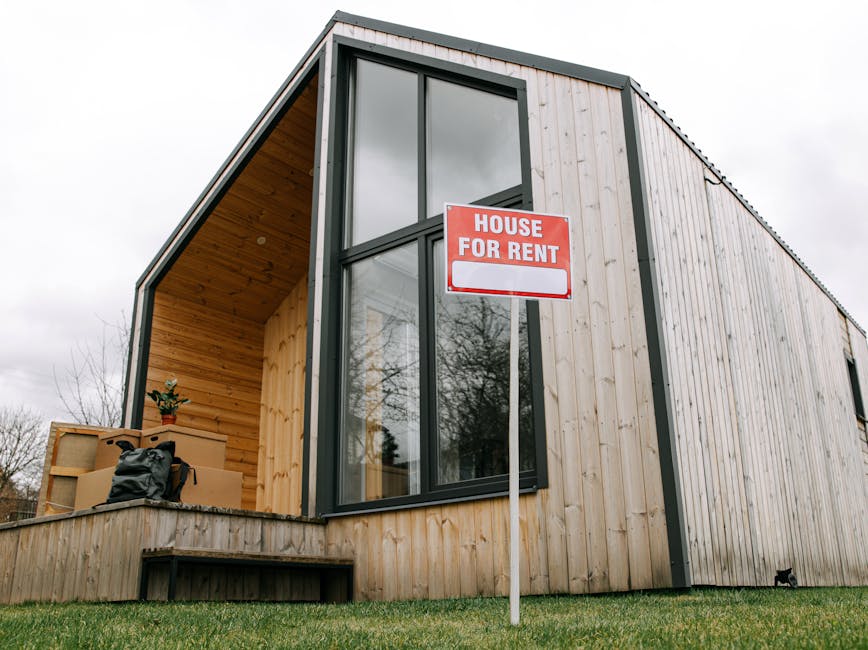
California rent control is real, it applies to you, and it's probably not what you think it is. If you own rental property anywhere in the state—whether it's in San Leandro, Alameda, or anywhere else in the East Bay—you need to understand the rules. The good news: they're straightforward once you break them down. The better news: knowing them protects you and keeps your tenants happy.
Here's the headline: landlords in California can raise rent by up to 5% plus the percentage change in the cost of living, with an absolute maximum of 10% per year. That cap comes from AB 1482, the California Tenant Protection Act of 2019. It's been the law for years now, but plenty of owners still get it wrong—either thinking the rules don't apply to them, or misunderstanding how much they can actually raise rents. Let's fix that.
What Is California Rent Control (And What Isn't It)?
When people say "California rent control," they usually mean AB 1482. This state law sets a hard ceiling on how much you can raise rent each year for most residential properties in California.
Here's what matters: the law caps annual rent increases at whichever is lower: (1) 5% plus the percentage change in the cost of living index, or (2) 10% total. That means in years with high inflation, you might hit the 10% cap. In low-inflation years, you stay at 5% plus whatever the cost-of-living index says.
Related: Month-to-Month Rent Increase California: What Landlords Need to Know
This isn't the old rent control you might have heard about—the kind where cities like Oakland or San Francisco used to freeze rents entirely or allow only tiny increases. AB 1482 is a statewide baseline. Some cities have their own additional rules that are stricter, but the state law sets the floor everywhere. Whether you're managing property in Alameda, San Leandro, Hayward, or Fremont, this applies to you.
One big misconception: owners think the law only applies to apartments or older buildings. Wrong. It applies to most residential rental properties, with only a handful of exemptions (like new construction under 15 years old, single-family homes if you own just one, or subsidized housing). If you're renting a house, a condo, or an apartment unit in California, you almost certainly have to follow AB 1482.
The Math Behind California Rent Control
You want to raise the rent for the next year. How much can you bump it?
Step 1: Take 5% of the current rent. That's your baseline.
Step 2: Add the cost-of-living adjustment (published annually by the state). This number varies year to year.
Step 3: Check the total. If it's more than 10%, cap it at 10%. If it's less, you can go with the 5%-plus-inflation number.
If inflation spikes to 6% or higher, you hit the 10% ceiling and stop there.
The key: you can't just pick a number and hope for the best. You need to know the exact cost-of-living percentage the state publishes. You also need to give written notice of any increase at least 30 days in advance (60 days if the increase is more than 10%, though AB 1482 won't let you do that anyway). If you don't follow the process, you're asking for a tenant dispute or legal complaint.
How to Stay Compliant in the East Bay
Compliance starts with knowing your specific local rules. The state cap applies everywhere, but cities like Oakland, Berkeley, San Leandro, and Alameda sometimes layer on extra protections. You need both.
Here's your checklist:
- Know the state cap: Calculate the allowable increase under AB 1482 (5% plus CPI, max 10%).
- Check your city's rules: Call the rent board or check your city's housing authority website. Some cities have stricter caps or require registration or mediation.
- Document everything: Keep a record of when you gave notice, the exact rent increase you applied, and the CPI figure you used. If a tenant challenges you later, you'll need proof.
- Give proper notice: Always send written notice of the increase at least 30 days before it takes effect (60 days if you're raising by more than 10%, though you can't under AB 1482 anyway).
- Never retaliate: AB 1482 also includes anti-retaliation rules. You can't raise rent or evict a tenant because they complained to a housing authority, joined a tenant group, or exercised other legal rights.
If you're juggling multiple properties across the East Bay—maybe you have units in San Leandro and Hayward—keep a spreadsheet. Track the lease start date, current rent, allowable increase, new rent, and notice date for each unit. It sounds tedious, but it beats getting sued or having a tenant complaint stick because you can't prove you followed the law.
When you're managing this across multiple properties and tenants, MarinOak Management handles the compliance tracking so you don't have to worry about missing a deadline or miscalculating an increase.
Exemptions and Special Cases

AB 1482 has some holes. These properties are exempt from the rent control cap:
- Single-family homes (if you own just one and don't use a property manager or real estate agent—this exemption is narrow).
- Properties in new construction completed less than 15 years ago.
- Duplexes, triplexes, or fourplexes (though some local ordinances override this; check your city).
- Housing owned by the state, local government, or nonprofit entities.
- Subsidized or below-market-rate housing.
Even if you think your property qualifies for an exemption, double-check. Many owners misunderstand the single-family-home exemption. If you ever used a property manager, even once, or if you hired a real estate agent to lease it, you probably lost that exemption. The rules are technical. When in doubt, assume AB 1482 applies to you.
What About Evictions?
AB 1482 isn't just about rent caps. The law also controls when you can evict a tenant. You can't evict without cause—meaning a legitimate reason like non-payment of rent, lease violation, property damage, or criminal activity. You also have to give proper notice and follow court procedures. You can't just lock them out or leave a note on the door.
The anti-retaliation clause matters too. If a tenant files a complaint with the city housing department or organizes with other tenants, you can't retaliate by raising rent beyond the cap, decreasing services, or evicting them without a legitimate, independent reason. Retaliation can cost you in court and damage your reputation.
Changes Coming in 2026 and Beyond
California's rent control laws continue to shift. In 2026, some new regulations have taken effect that tighten disclosure requirements and add additional protections for tenants. Landlords need to stay updated because missing these changes can expose you to liability.
Related: California Tenant Law: What Landlords Need to Know in 2026
The safest move is to subscribe to updates from your city's housing authority and stay plugged into your local landlord association. Laws change, and what was legal two years ago might not be today. If you're managing properties across multiple East Bay communities like Alameda, San Leandro, Fremont, or Hayward, you're dealing with different local rules on top of the state baseline. That's why many property owners in the region turn to professional management to handle the compliance headaches.
Key Takeaways
California rent control under AB 1482 allows annual increases of up to 5% plus inflation, capped at 10%. It applies to almost all residential rentals in the state unless you hit a narrow exemption. You must give 30 days' written notice, document your calculations, check local rules, and never retaliate against tenants for exercising their legal rights.
Getting this right protects your investment, keeps tenants confident you're treating them fairly, and avoids costly disputes. If you're managing multiple units across the East Bay, staying on top of these rules is critical—and it's also a headache most owners don't need on their plate.
Questions Landlords Ask About California Rent Control
What is the exact rent increase cap for 2026?
The cap is 5% plus the percentage change in the cost of living index, with a maximum total of 10%. The exact cost-of-living adjustment is published annually by the state Department of Industrial Relations. Check their website or contact your city's housing authority for the current year's figure.
Does California rent control apply to my single-family home?
Maybe, maybe not. If you own one single-family home and have never used a property manager or real estate agent to lease it, you might be exempt. But if you've ever hired anyone to help manage or lease the property, or if you own more than one property, AB 1482 probably applies. Contact your city's housing authority to confirm your exemption status before assuming you're exempt.
Can I raise rent without notice if the increase is under 5%?
No. You must give written notice at least 30 days before the increase takes effect, regardless of the amount. "Notice" doesn't mean a text or a conversation—it means a formal written document delivered to the tenant. Follow your city's specific requirements for notice delivery (typically mail, personal delivery, or both).
What happens if I violate the rent control cap?
A tenant can sue you for the overcharge, plus penalties and legal fees. They can also file a complaint with your city's housing authority, which may investigate and fine you. In serious cases, violations can affect your ability to evict tenants or result in court judgments against you. It's much cheaper to follow the law than to fight a violation in court.