
Rent increase laws aren't one-size-fits-all, especially in the Bay Area. Whether you own in Alameda, San Leandro, Oakland, or any other East Bay community, the rules that govern how much you can raise rent and how much notice you need to give are shaped by local ordinances, not just state law. Miss a requirement, and you could face legal pushback from your tenants or regulatory fines.
Let's walk through what rent increase laws actually mean for you as a property owner, so you can stay compliant and confident.
What Are Rent Increase Laws?
Rent increase laws are rules set by cities and sometimes states that control when, how much, and how a landlord can raise rent. They exist to protect tenants from sudden, extreme increases while also giving landlords the ability to adjust rents as properties and markets change.
Related: Mountain View Rent Control: What Landlords Need to Know
Related: Providence Rent Control: What Landlords Need to Know in 2026
Related: Richmond Rent Program: What Landlords & Owners Need to Know
Related: California Rent Control 2026: What Landlords Need to Know
Related: California Rent Increase Limit 2026: What You Need to Know
Related: Month-to-Month Rent Increase California: What Landlords Need to Know
Related: California Rent Increase Notice: What Landlords Must Know
These laws typically cover three things: how much notice you have to give, how much you can increase rent by, and when you're allowed to increase it. Some jurisdictions also set caps on the percentage increase, while others require just written notice and reasonable timing.
The tricky part? The rules change depending on your zip code. Alameda has different rules than San Leandro. San Leandro differs from Berkeley. And that's before you consider lease-renewal timing, tenant tenure, and local retaliation protections.
Notice Requirements for Rent Increases
Every rent increase has to start with written notice. You can't just tell your tenant verbally or slip a note under the door. The notice has to be formal, in writing, and delivered properly.
How much notice do you need to give? It depends on your city. Many East Bay communities require 30 to 90 days of written notice before a rent increase takes effect. Some require even longer for increases above a certain percentage. For example, if you're raising rent significantly in a rent-controlled area, you might need 60 or even 90 days to give tenants time to adjust.
The notice also needs to clearly state the current rent, the new rent amount, the effective date of the increase, and the reason (if your local law requires it). Vague or incomplete notices can be challenged, so precision matters here.
Timing also matters. You generally can't raise rent in the middle of a lease. Rent increases happen at renewal time or when a lease expires, unless your lease explicitly allows mid-term increases and your local law permits it (most don't).
Rent Caps and Increase Limits
This is where Bay Area rent increase laws get really specific to your location. Some cities impose annual caps on how much you can raise rent, while others don't limit the amount at all.
In some jurisdictions, the cap depends on how long the tenant has lived there. For instance, a tenant with 2+ years of occupancy might be protected by a lower increase cap than someone in their first year. This incentivizes tenant stability, which can actually be good for you as an owner because it reduces turnover costs.
Other cities set a flat percentage cap—say, 2% or 3% per year—regardless of tenant tenure. Some tie the cap to inflation or cost-of-living indices.
And then there are areas with no statewide or citywide cap at all. You need to check your specific city's ordinances or work with someone who knows the local rules inside and out. Getting this wrong is expensive.
What You Can't Do: Retaliation and Discrimination
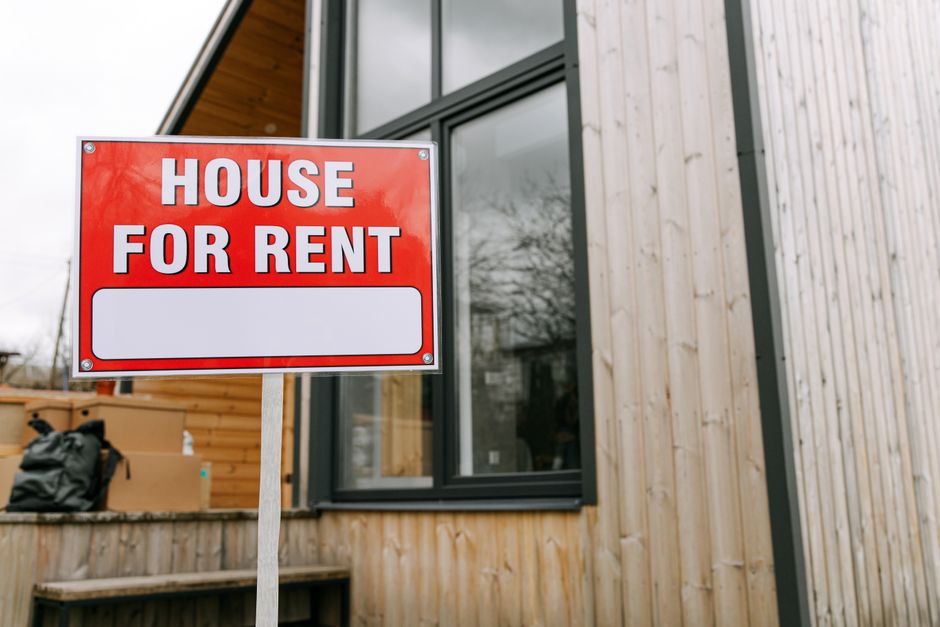
Even if rent increase laws allow you to raise rent, there are hard limits on *why* and *when* you can do it.
You cannot increase rent as retaliation against a tenant for exercising legal rights. That means no rent increases because a tenant requested repairs, complained to the city, joined a tenant organization, or exercised other legal protections. Retaliation bans exist in virtually all Bay Area communities, and violations can result in fines or even court judgments against you.
Rent increases also can't be based on discrimination. You can't increase rent because of a tenant's race, religion, national origin, familial status, disability, or other protected characteristics. Discriminatory rent increases violate fair housing laws and can trigger serious legal consequences.
If a tenant challenges a rent increase as retaliatory or discriminatory, the burden is often on you to prove it wasn't. That's why your reasoning and documentation matter. If you're increasing rent across the board for market reasons, keep records showing that. If you're increasing it for specific units because of needed repairs or renovations, document those too.
Local Ordinances Matter More Than You Think
The Bay Area is patchwork when it comes to rent control. Alameda has its own rules. San Leandro has different ones. Hayward, Fremont, Berkeley, and Oakland each have their own ordinances. Some parts of Contra Costa and the Peninsula have caps; other parts don't.
A 3% increase that's perfectly legal in one city might violate another city's cap. A 30-day notice that satisfies the law in one place might not be enough in another.
Before you draft that rent increase notice, pull up your city's municipal code or rent ordinance. If you're confused, check your city's housing department website or call them directly. It's better to spend 15 minutes confirming the rules than to send an illegal notice and face tenant pushback, legal disputes, or fines.
If managing these details across multiple properties or navigating complex local rules feels overwhelming, MarinOak Management handles rent increase compliance as part of comprehensive property management. It's one less thing to worry about.
Lease Renewal vs. Mid-Lease Increases
Most rent increase laws are clear on one point: you can't raise rent in the middle of a lease unless the lease itself allows it and local law permits it. Mid-lease increases are generally restricted or outright prohibited.
Your opportunity to raise rent comes at lease renewal time. When the lease is about to expire, you send the notice of increase well in advance (respecting your local notice requirement). The tenant then decides whether to accept the increase and renew, or leave.
Some leases include escalation clauses that allow automatic increases each year. These are legal in many areas as long as they're written into the lease at the start and comply with local law. But even then, the increase amount usually can't exceed what local law allows.
Bottom line: know your lease language, know your local law, and time your notices correctly. If you're not sure, don't guess.
People Also Ask About Rent Increase Laws

Can a landlord increase rent without notice?
No. All rent increases require written notice. The amount of advance notice varies by location, but it's typically 30 to 90 days. Verbal notice or informal notices don't count. The notice must be in writing, clearly state the new rent amount and effective date, and be delivered properly (usually by certified mail, email with proof of delivery, or hand-delivery with documentation). Failure to provide proper written notice can invalidate the increase.
What's the maximum rent increase allowed in California?
California has a statewide rent cap of 5% plus local inflation, but many Bay Area cities have their own lower caps or additional protections. Some cities cap increases at 2-3% annually for long-term tenants. Other cities outside the statewide cap allow higher increases or no cap at all. You must follow whichever is more restrictive: state law or your local city ordinance. Check your specific city's housing code.
How long does a tenant have to move out after a rent increase notice?
A tenant doesn't have a statutory "move-out period" just because they received a rent increase notice. If they reject the increase, the lease ends at its expiration date. If the lease is set to renew and they don't accept the new terms (the higher rent), the tenancy ends. Some leases or local laws may give tenants additional time, but generally, once the lease term is up, you can recover possession if the tenant doesn't accept the new rent. Work with legal counsel or a property manager to handle this correctly.
Is it legal to increase rent in Alameda or San Leandro?
Yes, but the rules differ between cities. Alameda has rent control ordinances that limit increases and require proper notice. San Leandro also has local rent increase rules. Both cities require written notice well in advance (typically 30-90 days depending on the increase amount). Some tenants in Alameda with 2+ years occupancy qualify for lower increase caps. Always review your specific city's ordinance before drafting a notice. If you own in multiple East Bay communities, you'll need to track different rules for each.