
A tenant estoppel certificate is a legally binding document where your tenant confirms in writing that their lease terms are accurate and current. Think of it as a third-party verification of your lease agreement—without you having to argue about it.
If you're selling a rental property, refinancing, or dealing with any kind of transaction where a lender or buyer needs proof that your lease is legit, you'll need this document. It's especially important in the Bay Area real estate market, where deals move fast and due diligence is non-negotiable.
Related: Property Preservation 101: What It Is & Why It Matters
Related: Property Maintenance Guide: What It Is & Why It Matters
Let's break down what a tenant estoppel certificate actually does, when you need one, and how to get it right.
Related: Landlord Tenant Law California: Your 2026 Guide
What Exactly Is a Tenant Estoppel Certificate?
An estoppel certificate is a sworn statement from your tenant that confirms the current status of their lease. The tenant is basically saying, "Here are the lease terms we agreed to, and everything stated here is true."
The word "estoppel" means the tenant can't later claim the lease terms were different from what they signed. It locks them in legally. So if a buyer or lender asks, "Is the rent really $2,500 a month?" the certificate proves it is—and the tenant can't argue differently down the road.
Here's what typically gets verified in one of these documents:
- The exact lease start and end dates
- Monthly rent amount and payment status
- Any deposits, prepaid rent, or other charges
- Whether the tenant is in compliance with the lease
- Any lease violations, late payments, or pending disputes
- Whether the tenant occupies the unit or has sublet it
Think of it as your lease terms frozen in time, with the tenant's signature proving they're real.
When Do You Actually Need One?
You need a tenant estoppel certificate in several key situations:
Property Sales: Any buyer or their attorney will demand this before closing. They want proof that your lease is legitimate and that the tenant won't suddenly claim they're paying $1,000 less than advertised.
Refinancing: Lenders want to verify rental income before they hand over cash. An estoppel certificate from your tenant proves the rent is real and being paid on time.
Due Diligence for Investors: If someone is buying your property as an investment or if it's part of a larger portfolio review, they'll request estoppels for every tenant.
Legal Disputes: If you're dealing with a tenant conflict or eviction, an estoppel certificate can protect you by locking in what the tenant agreed to pay and when.
Across the East Bay—whether you're managing units in MarinOak Management's service areas like Alameda, San Leandro, or beyond—estoppel certificates are standard in any professional transaction. In competitive markets like Oakland and Berkeley, buyers and lenders expect them immediately.
What Information Gets Verified?
When you request an estoppel certificate from a tenant, they're confirming several critical details:
- Lease Terms: Start date, end date, lease type (month-to-month or fixed term)
- Rent Amount: The exact monthly rent and any additional fees
- Payment Status: Whether rent is current, late, or has arrears
- Deposits: Security deposit amount held and any other deposits received
- Concessions: Any rent reductions, free months, or lease modifications
- Occupancy: Who actually lives in the unit and whether it's been sublet
- Compliance: Whether the tenant is in breach or violation of any lease terms
- Outstanding Issues: Any pending maintenance requests, disputes, or claims
The tenant signs this under penalty of perjury, meaning they're legally liable if any of it is false. That's what makes it so powerful for protecting third parties (and you).
How to Request a Tenant Estoppel Certificate

Requesting one is straightforward, but timing matters. Here's how to do it right:
Step 1: Get a Template Your attorney or real estate agent usually provides a standard estoppel certificate template. Most Bay Area property managers and attorneys have one ready to go. Don't make one up from scratch—use a form that complies with California law.
Step 2: Fill It Out Accurately Before giving it to the tenant, make sure all the lease details are correct. If you get something wrong, the tenant will catch it and you'll have wasted time.
Step 3: Send It to the Tenant Deliver it formally—email with read receipt is fine, but certified mail is better if you want proof they received it. Give them a deadline (typically 5-10 business days) to return it signed.
Step 4: Follow Up If they don't respond, send a reminder. Make it clear this is required, not optional. Most tenants comply without issue, especially if you explain it's part of a sale or refinance that won't affect them.
Step 5: Review and Verify Once you get it back signed, review it carefully. Does it match your lease? If there are discrepancies, resolve them before it goes to the buyer or lender.
Professional property management companies across Alameda, San Leandro, and the wider East Bay handle this process as routine. If you're managing multiple units or properties, staying organized with estoppel timelines saves you major headaches.
What Tenants Need to Know
Tenants sometimes get nervous when asked for an estoppel certificate—they think it means they're being evicted or the rent is about to spike. It doesn't.
An estoppel certificate simply confirms existing lease terms. It doesn't change the lease, doesn't give the new owner (if you're selling) permission to evict, and doesn't enable any sudden rent increases. It's just verification.
A good landlord explains this to the tenant upfront: "I'm selling the property (or refinancing). The buyer/lender needs written confirmation that our lease agreement is what we both remember. Can you sign this?" Most tenants will comply without drama.
If a tenant refuses to sign, that's a red flag. It might indicate they're planning to dispute the lease terms, claim they're not occupying the unit, or dispute the rent amount. You need to know that before closing a deal.
Common Mistakes to Avoid
Waiting Too Long: Don't request estoppel certificates a week before closing. Give yourself at least 2-3 weeks. Tenants drag their feet, and you need buffer time for follow-ups.
Assuming Accuracy Without Review: Just because a tenant signs doesn't mean it's correct. Compare the certificate to your lease. Look for mismatches in rent amounts, lease dates, or occupancy details.
Not Explaining the Purpose: Tenants are more likely to cooperate if they understand why you need it. Transparency builds trust and speeds up the process.
Ignoring Red Flags: If a tenant refuses to sign, delays excessively, or claims the lease details are wrong, that's a problem you need to solve before your sale or refinance closes. Don't hope it goes away.
Estoppel Certificates in Bay Area Transactions
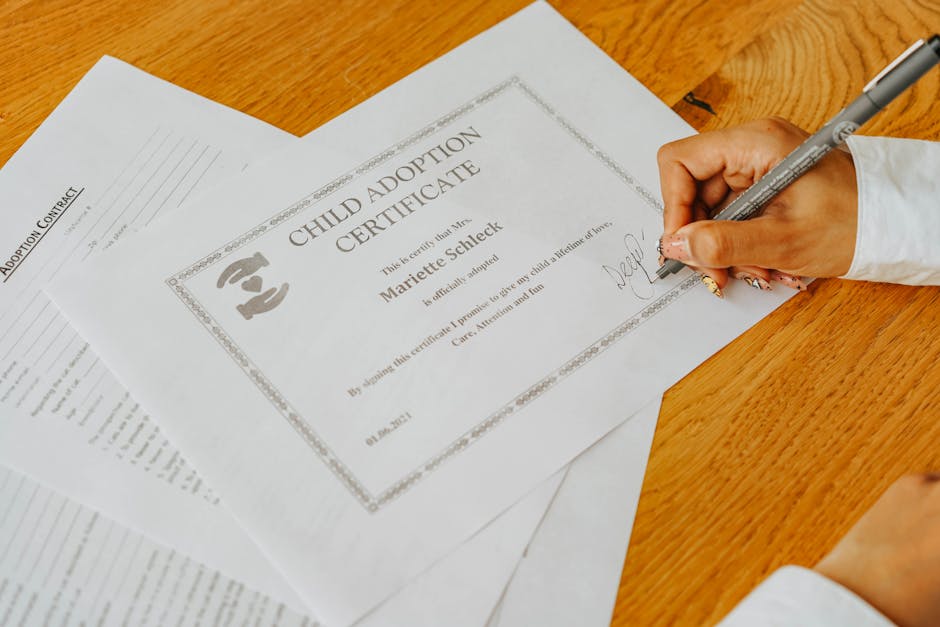
Bay Area buyers and lenders treat estoppel certificates as non-negotiable. Whether you're selling a single-family rental in San Leandro or a multi-unit building in Alameda, the process is the same.
California law supports estoppel certificates because they reduce dispute and provide verifiable proof. Legal resources like Nolo explain that estoppel certificates create binding admissions—meaning the tenant can't later contradict what they certified.
If you're working with a property manager or real estate professional throughout the East Bay, they'll handle estoppel requests as part of the standard transaction process. If you're managing the property yourself, treat it as a critical to-do item in any sale or refinance.
Managing the details of lease verification, tenant communications, and documentation accurately is exactly why property owners throughout Alameda County and the East Bay often turn to professional management. Companies like MarinOak Management handle tenant estoppel requests, verification, and transaction coordination as part of their full-service approach—so you can focus on the bigger picture of your investment.
People Also Ask
Can a Tenant Refuse to Sign an Estoppel Certificate?
Technically, yes—you can't force them to sign. But most commercial leases and many residential leases include language requiring cooperation with estoppel requests. If a tenant refuses, it's a major red flag for buyers and lenders. It might kill your deal. You can try negotiating (offering a small gift card or acknowledging their concerns), but if they still refuse, you may need to disclose that to the buyer.
What Happens If the Estoppel Certificate Has Errors?
If you spot errors after the tenant signs, contact them immediately and request a corrected version. Don't submit an inaccurate certificate to a buyer or lender—it creates liability for you. Better to clarify now than deal with disputes after closing.
Does an Estoppel Certificate Protect Me as a Landlord?
Yes, but it primarily protects the buyer and lender. For you, it serves as proof that the tenant acknowledged the lease terms as stated. In a dispute, you can point to the signed certificate as evidence of what the tenant agreed to. That's useful in collections or evictions if needed.
How Long Is an Estoppel Certificate Valid?
Most are valid for 30-60 days from the date signed. If your closing or refinance happens after that window, you may need to request a new one. Always check with your attorney or lender about their specific timeline requirements.