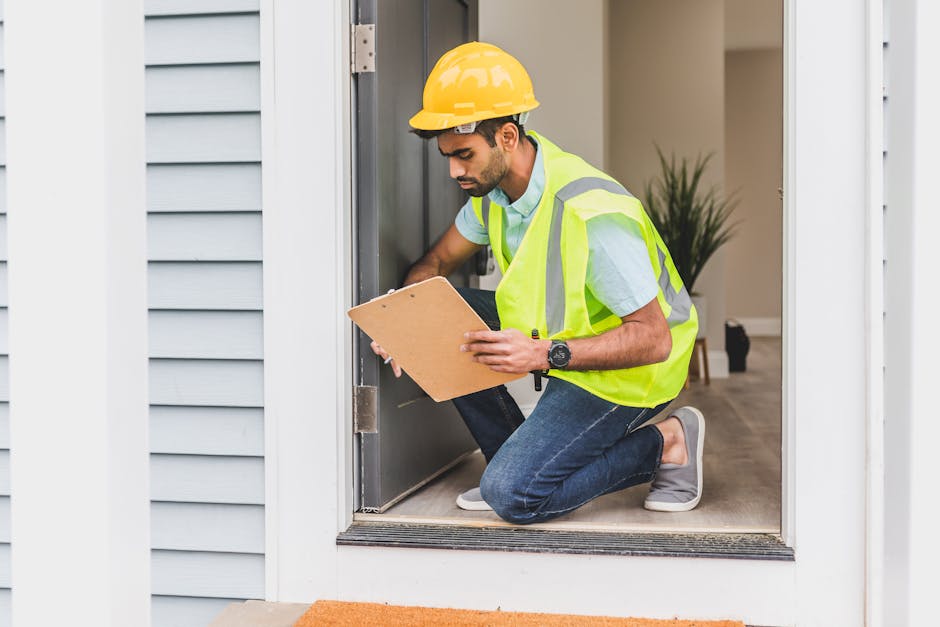
Property maintenance is the ongoing work of keeping your residential rental in good condition. It includes repairs, inspections, lawn care, and preventative upkeep that stops small problems from turning into expensive disasters.
If you own rental property in the Bay Area, property maintenance isn't optional. It's the difference between a thriving investment and one that eats into your profits month after month. Let's walk through what property maintenance actually involves and how to handle it without burning out.
What Property Maintenance Really Covers
Property maintenance isn't one thing. It's a whole category of work that keeps your rental functional and attractive to tenants.
Routine maintenance includes things like:
- HVAC filter changes and seasonal tune-ups
- Gutter cleaning and roof inspections
- Plumbing checks (leaks, water pressure, drainage)
- Electrical system inspections
- Lawn care and landscape upkeep
- Painting and caulking
- Appliance servicing
Repairs happen when something breaks. A burst pipe. A broken window. A failed water heater. These aren't planned, but they happen faster than you'd like.
Preventative maintenance stops repairs before they happen. You're checking things regularly, replacing parts before they fail, and addressing small issues before they snowball.
Think of it this way: a $200 HVAC service call now beats a $3,000 emergency replacement later. In Alameda and San Leandro, where Bay Area homes face everything from salt air corrosion to intense summer heat, preventative maintenance is your cheapest insurance policy.
Why Property Maintenance Matters for Your Bottom Line
You probably know that maintenance costs money. What you might not realize is that skipping maintenance costs way more.
Related: Property Preservation 101: What It Is & Why It Matters
When you let maintenance slide, tenants leave faster. Properties look rundown. Repair emergencies happen at 2 a.m. on a Sunday. And suddenly you're losing rent because the place needs work.
The data backs this up. Poorly maintained properties rent for less, take longer to fill, and attract lower-quality tenants. According to research from the Apartment List rental trends report, properties with consistent maintenance have 23% higher tenant retention rates.
In practical terms across the East Bay:
- A well-maintained property in San Leandro rents $150-300/month higher than a neglected one
- You spend less on emergency repairs (typically 3x more expensive than routine maintenance)
- Tenants stay longer, cutting vacancy periods and turnover costs
- Your property holds its value better, protecting your equity
The Different Types of Maintenance Work
Not all maintenance is created equal. Breaking it down helps you understand what you're paying for and when.
Plumbing is one of the biggest expense categories. Leaks, clogged drains, water heater issues, and frozen pipes (rare in the Bay Area, but it happens in higher elevations). A solid plumber you trust is worth their weight in gold.
Electrical work requires licensed professionals. Faulty wiring creates fire hazards and code violations. You can't cut corners here.
Carpentry covers doors, windows, flooring, and structural issues. From squeaky floorboards to rotting fascia, carpenters handle a ton of the visible wear and tear.
HVAC maintenance keeps heating and cooling systems running. In the East Bay, summer heat spikes are real, and winter humidity matters too. Annual HVAC service prevents expensive breakdowns.
Exterior work includes roofing, siding, gutters, and landscaping. These are often the most visible signs of a well-maintained property, and they protect the structure underneath.
If you're managing a rental in Alameda or anywhere in the East Bay and trying to coordinate all this yourself, it's exhausting. That's why property owners often turn to management companies. MarinOak Management handles the entire maintenance coordination piece, which means you stop chasing contractors and start actually owning your investment.
Related: What is PMC Property? Property Management Explained
Related: Best Progressive Property Management 2026: Top 5 Ranked
Related: Best Real Property Management & Maintenance 2026: Top 5 Ranked
Related: Best Alameda Property Management 2026: Top 5 Ranked
Related: Best Property Management San Francisco 2026: Top 5 Ranked
Related: Property Maintenance Coordination Bay Area: 2026 Data Report
Creating a Property Maintenance Schedule
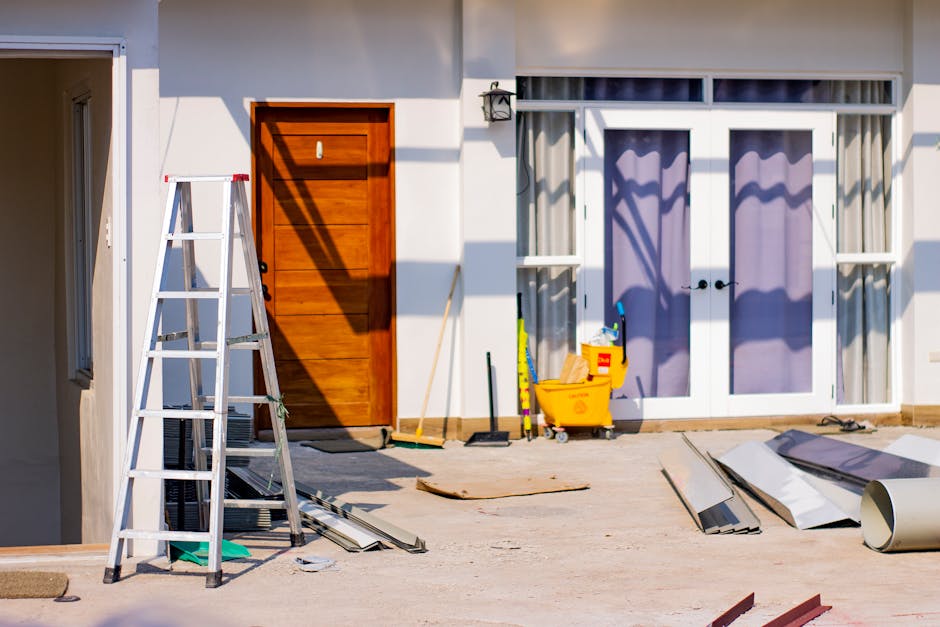
The best owners treat maintenance like their business finances: they plan it.
Monthly checks: Walk the property if possible. Look for obvious problems. Check that appliances work. Ask your tenants if anything needs attention.
Quarterly tasks: HVAC filter changes, gutter inspections (especially in fall), checking for leaks under sinks, testing smoke detectors.
Annual maintenance: Full HVAC service, roof inspection, electrical panel review, septic system check (if applicable), pest control, and a deep property walkthrough with photos.
Every 3-5 years: Painting (interior or exterior), appliance replacement, flooring work, and major system updates.
Owners in San Leandro and Alameda dealing with Bay Area weather patterns specifically should add extra attention to:
- Roof inspections (winter rain damage)
- Foundation cracks (moisture and settling)
- Exterior sealing (salt air corrosion near the coast)
- Gutter systems (keeping them clear prevents water damage)
Choosing Maintenance Contractors
You can't manage property maintenance without good people. Finding reliable contractors is half the battle.
Get references. Ask other property owners in your area (especially in Oakland, Berkeley, San Leandro, and Alameda) who they use. Word-of-mouth beats Yelp reviews because you're hearing from people with similar properties.
Check licensing and insurance. Plumbers, electricians, and HVAC techs need proper licensing. All contractors need liability insurance. Don't negotiate on this.
Get multiple quotes. On bigger jobs, always get 2-3 bids. You'll learn what fair pricing looks like and avoid overpaying.
Start small. Use a contractor on a small job first before trusting them with major work. A simple faucet replacement tells you a lot about communication, punctuality, and quality.
Keep records. Every invoice, every receipt, every completion date. You need this for tax purposes, warranty claims, and resale value documentation.
Managing a network of contractors across the East Bay is exactly the kind of operational work that property owners should delegate. If you're spending weekends coordinating repair crews instead of actually enjoying your investment, that's a sign. MarinOak Management maintains vendor relationships so you don't have to.
Property Maintenance and Tenant Relationships
Here's something that matters more than most owners realize: how you handle maintenance affects tenant behavior.
Tenants who see that you maintain the property take better care of it. They stay longer. They're more cooperative. They pay rent on time.
On the flip side, if repairs take weeks, tenants get frustrated. They stop reporting problems. They make workarounds. You end up with bigger damage later.
Responsive maintenance = better tenants = lower turnover = more profit.
This is one reason that having a structured maintenance process matters. When tenants know maintenance requests get handled within 24 hours, they trust the system. You're not scrambling. They're not stressing.
Budgeting for Property Maintenance Costs

Here's the number you need to know: plan for 1% of your property's value annually in maintenance costs.
If your rental in Alameda or San Leandro is worth $600,000, that's roughly $6,000 per year ($500/month) set aside for maintenance.
Some years you'll spend less. Some years you'll hit that number. Every 10-15 years, you'll have a major expense (roof, foundation work, system replacement) that goes way beyond.
The owners who struggle financially are the ones who don't budget for this. They're surprised when they need a $5,000 roof repair. They scramble to find money. They get stressed.
The owners who win are the ones who've already set the money aside. Maintenance is a line item in your annual budget, not a surprise attack on your cash flow.
When to Handle Maintenance In-House vs. Outsourcing
Some owners try to do minor repairs themselves. In most cases, this is a false economy.
Do it yourself if: You have genuine expertise (you're a retired electrician, for example). The job is truly minor (unclogging a drain, changing a light fixture). You have time and won't let it pile up.
Hire it out if: It involves plumbing, electrical, HVAC, or anything that requires licenses. It's a safety issue. You don't have the skills or tools. You value your time (you probably do). It's faster to hire it than to learn how to do it.
For most Bay Area property owners, the math is simple: your time is worth more than the cost of a contractor. A professional does the job right. They carry insurance. They fix it if something goes wrong. You get your weekend back.
The owners managing multiple properties across the East Bay often find that coordinating their own maintenance across San Leandro, Alameda, and surrounding areas becomes a full-time job. At that point, working with a management company that has established maintenance workflows makes absolute sense.
Technology and Property Maintenance Tracking
You can't manage what you don't track. Modern property management relies on systems that log every maintenance request, completion date, cost, and contractor notes.
Good systems let you:
- See maintenance history for each property at a glance
- Schedule preventative maintenance automatically
- Track spending trends to budget better
- Respond to tenant requests without email chaos
- Keep all contractor information in one place
- Document everything for tax and resale purposes
If you're managing everything through email and spreadsheets, you're making this harder than it needs to be. You're probably missing preventative maintenance because you have no reminder system. You're definitely wasting time looking for old invoices.
This is where technology-driven management makes a real difference. Rather than using generic off-the-shelf software that does everything poorly, working with a Bay Area management company that built custom software specifically for local landlords gives you visibility and control. That's the foundation of how MarinOak Management operates - proprietary systems built to solve the actual problems property owners face.
Property Maintenance and Code Compliance
Every rental property in California has to meet building codes. Some of these codes relate directly to maintenance.
You need:
- Working smoke detectors (tenant responsibility to replace batteries, but you provide the fixtures)
- Carbon monoxide detectors
- Safe electrical systems (no exposed wiring, overloaded circuits)
- Working plumbing and water pressure
- Functioning heating and hot water
- Weatherproof roof and exterior
- Safe stairs and railings
Failing to maintain these isn't just bad business. It's a legal liability. Tenants can break leases. You can face fines. Insurance won't cover damage from preventable maintenance failures.
In cities like San Leandro and Alameda, code enforcement has become more active. Keeping your property maintenance up to code isn't optional anymore.
Related: Best Property Information Resources in Alameda, CA
Getting Help With Property Maintenance
You have options for how much of maintenance you handle directly versus delegate.
Option 1: DIY everything. You call contractors, schedule work, pay bills, track spending. It's flexible and cheap, but it's also time-intensive and you need contractors you trust.
Option 2: Property management handles it. You tell the management company about a problem, they coordinate the contractor, they manage the work, they bill you. You get hands-off property ownership.
Related: How to Choose a Property Management Company in the Bay Area
Most property owners in the Bay Area eventually move toward Option 2, especially if they own multiple properties or have properties scattered across different cities like Alameda and San Leandro.
The reason is simple: your job as a property owner isn't to be a contractor coordinator. Your job is to own an asset that generates income. When you delegate maintenance coordination to professionals who have existing relationships with local contractors and can negotiate better pricing because of volume, you save money and stress.
Do I need to hire a property manager just for maintenance?
Not necessarily. Some management companies offer maintenance coordination as a standalone service. Others bundle it with full management. It depends on what else you need help with (tenant screening, rent collection, legal issues, etc.).
How often should I inspect my rental property?
Aim for at least quarterly. More often is better. Some owners do monthly walkthroughs, especially during the first year with a new tenant. You're looking for damage, maintenance issues, and how the tenant is treating the place.
What's the difference between routine maintenance and a repair?
Routine maintenance is planned work that prevents problems (filter changes, inspections, cleaning). Repairs fix things that are already broken. Preventative maintenance reduces how many repairs you need.
Can I pass maintenance costs to tenants?
California law is strict here. You cannot charge tenants for normal wear and tear maintenance. You can only deduct maintenance costs from security deposits if the damage was caused by tenant negligence or abuse, not normal use. Routine maintenance and repairs are always the landlord's responsibility.