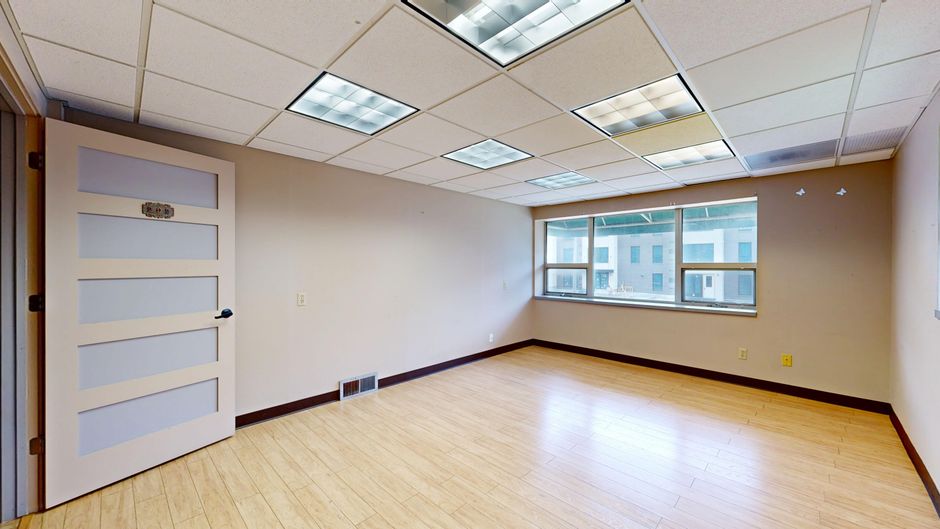
Tenant build-out is the process of customizing a commercial interior space to match a specific tenant's operational needs. It's the work that turns an empty shell or outdated layout into a functional environment ready for a business to move in and operate.
If you own a commercial property in the Bay Area or East Bay, understanding tenant build-out is essential. Whether you're managing properties in Alameda, San Leandro, or anywhere else in the region, you'll eventually face decisions about what improvements to make, who foots the bill, and how to keep the project on track.
Related: Tenant with Co-Tenants: Rights, Liability & Best Practices
Related: Oakland Tenant Rights: What You Need to Know
Related: Tenant Estoppel Certificate: What It Is & Why It Matters
What Does Tenant Build-Out Actually Include?
Build-out covers all the customization work needed to prepare a commercial space for occupancy. This isn't just paint and new carpet, though those might be part of it.
Common build-out components include:
- Walls, partitions, and layout reconfiguration
- Flooring installation or replacement
- Electrical and plumbing work
- HVAC systems and ductwork
- Lighting fixtures and design
- Doors, windows, and hardware
- Painting and finishes
- Fire suppression and safety systems
- Technology infrastructure (network, data, AV)
- Specialized systems based on tenant use (kitchen equipment for restaurants, medical equipment for clinics, etc.)
The scope depends entirely on what your tenant needs to operate. A tech startup might prioritize high-speed networking and open floor plans. A medical office needs plumbing, specialized electrical, and compliance-driven layouts. A restaurant requires commercial kitchen equipment and exhaust systems.
Who Pays for Tenant Build-Out?
This is where things get negotiated. Generally, there are three models.
Landlord pays for everything: Common in competitive markets where you're trying to attract quality tenants. You absorb all build-out costs to close the deal quickly.
Landlord provides a TI allowance: You offer a fixed dollar amount per square foot (or a lump sum), and the tenant covers anything beyond that. This protects your budget while still showing you're invested in getting the space tenant-ready.
Tenant pays for all or most of it: This happens when demand is high, your space is already well-suited to their needs, or you're leasing a turn-key environment. Less common but possible.
Most deals in the East Bay fall somewhere in the middle.
Tenant Build-Out vs. Capital Improvements
Don't confuse build-out with general capital improvements. Build-out is tenant-specific customization tied to a lease. Capital improvements benefit your entire property long-term, like replacing the roof or upgrading the HVAC system for the whole building.
Build-out is usually lease-dependent. When a tenant leaves, you may need to restore the space or adapt it for the next tenant. Capital improvements stay with the property regardless of who occupies it.
How to Plan a Tenant Build-Out Project

Start by understanding your tenant's exact needs. Meet with them, ask questions about operations, workflow, and any equipment or systems they'll bring in. The more specific you are upfront, the fewer change orders and delays you'll face.
Step 1: Get a detailed lease agreement in writing. Specify what you're providing, what the tenant is covering, the allowance (if any), and timelines. Ambiguity leads to disputes.
Step 2: Hire a qualified general contractor. Experience matters. You want someone who understands commercial builds, local Alameda County and East Bay codes, and permitting timelines. Get multiple bids and check references.
Step 3: Develop a detailed scope of work. Work with your contractor to create specifications for every element. This becomes your roadmap and your protection against scope creep.
Step 4: Secure permits before work starts. Commercial builds in the Bay Area require permits for electrical, plumbing, structural changes, and more. This takes time. Plan for 2-4 weeks depending on your city and complexity.
Step 5: Set a realistic timeline. Simple builds might take 4-8 weeks. Complex projects can run 3-6 months. Build in buffer time for inspections, material delays, and unexpected issues. Communicate realistic timelines to your tenant early.
Step 6: Manage the budget and document everything. Keep receipts, invoices, and change orders. Track all expenses against your budget. If you're providing a TI allowance, monitor spending to stay within that cap.
Step 7: Conduct inspections at key milestones. Walk the space with your contractor and tenant at framing, before drywall closes, before finishes, and before final turnover. This catches problems early when they're cheaper to fix.
If managing a build-out feels overwhelming, MarinOak Management can coordinate the entire process for you, from tenant communication to contractor oversight to final inspections.
Common Pitfalls to Avoid
Vague scopes of work create chaos. If you haven't clearly defined what "finished" looks like, you'll keep paying for revisions.
Underestimating timelines frustrates tenants and costs you rent-free days. Add 20-30% buffer to any contractor estimate for unexpected delays.
Not checking references on contractors is a recipe for disaster. Call past clients. Ask about quality, timeliness, and how they handled problems.
Skipping inspections leaves you vulnerable to poor workmanship. You can't claim problems after the tenant moves in if you signed off on shoddy work.
Mixing personal preferences with tenant needs wastes money. Your tenant needs the space optimized for their business, not for what you think looks good.
Build-Out Timelines in the East Bay Market
Properties in Alameda and San Leandro often have different timelines than Oakland or Berkeley. Smaller cities may have shorter permitting windows but fewer contractors available. Larger hubs have more competition and faster turnaround but sometimes longer inspection queues.
Factor in seasonal variation. Summer builds can be faster. Winter weather and holiday schedules slow things down. Plan accordingly.
If you're leasing multiple units or managing a portfolio across different East Bay communities, stagger your build-outs so you're not juggling five projects at once and overwhelming your contractor network.
For detailed guidance on coordinating build-outs while managing other lease obligations, MarinOak Management offers full project oversight to keep things on schedule and on budget.
Protecting Yourself Legally

Always have a written lease that specifies build-out responsibilities. Verbal agreements disappear in disputes.
Include language about who handles change orders, how they're approved, and how costs are split if scope changes mid-project.
Require your contractor to carry liability insurance and workers' compensation. Protect yourself from injury claims and property damage.
Get lien waivers from your contractor and all subcontractors before final payment. This prevents them from later claiming you owe money or placing a lien on your property.
Document the final condition of the space with photos and a punch list. Both you and your tenant sign off that everything meets the lease specifications.
What's the difference between tenant build-out and tenant improvements?
Tenant build-out and tenant improvement (TI) refer to the same thing. "Tenant improvement" is the preferred term in commercial real estate and accounting. "Build-out" is more common in construction and development. Both mean customizing a space to meet a tenant's operational needs.
Can a tenant break their lease if the build-out isn't finished on time?
Possibly, depending on what your lease says. This is why timelines and penalties matter. Build "substantial completion" language into your lease, define what that means, and include provisions for rent abatement or lease termination if you miss a critical deadline. Avoid this problem by padding timelines and communicating often.
Who owns the improvements after the tenant leaves?
You do. Any improvements made to your property become part of the property. However, some tenants negotiate removal rights for specialty equipment they installed. That's a lease negotiation. For permanent fixtures like walls and electrical, those stay and become part of your property's value or require restoration to a neutral state before the next tenant moves in.
How much does tenant build-out typically cost?
This varies wildly based on the scope, local labor costs, materials, and complexity. The best approach is to get quotes from contractors familiar with your specific space and tenant needs. Talk to us about what's reasonable for your property and market.