
California rent increase laws can feel like a maze, but here's the straight answer: the state caps annual rent increases at whichever is lower—10% or 5% plus your regional Consumer Price Index (CPI) change. You need to provide at least 30 days' written notice before any increase takes effect. These rules apply to most rental units statewide, though local jurisdictions in the Bay Area often impose stricter limits.
If you own rental property in Alameda, San Leandro, or anywhere across the East Bay, understanding these rules isn't optional. Getting them wrong can result in lease violations, tenant disputes, or legal complications that waste your time and money. Let's break down exactly what California law requires and how it works in practice.
The Statewide Rent Increase Cap Explained
California's main rent control law is AB 1482, passed in 2019. It sets a statewide ceiling on how much you can raise rent annually.
Related: San Francisco Rent Board: What Landlords Need to Know
The cap is calculated as the lower of two numbers:
- 10% flat, OR
- 5% plus the regional CPI change for the prior 12 months
Let's look at a concrete example. Say your regional CPI increased by 2% over the past year. You'd add 5% + 2% = 7%. Since 7% is lower than 10%, your legal maximum increase is 7%. But if CPI had jumped to 6%, then 5% + 6% = 11%—which exceeds 10%—so the cap stays at 10%.
This calculation resets every 12 months, and it applies over any 12-month rental period, not just calendar years. If your tenant's lease anniversary is June 15, you measure the 12 months from June 15 to June 14 of the next year.
Notice Requirements: Timing and Documentation
California law is strict about how you notify tenants. You must provide minimum 30 days' written notice before any rent increase takes effect. The notice has to be delivered in advance—you can't surprise someone with a rent hike effective immediately.
Written notice is non-negotiable. Email, text, or verbal warnings aren't enough. You need documented proof that the tenant received it. Many property owners in San Leandro and across the Bay Area use certified mail, hand delivery with a signature, or email with read receipts to create a clear paper trail.
Related: Property Law Basics: What Bay Area Owners Need to Know
Your notice should include:
- The current rent amount
- The new rent amount
- The effective date of the increase
- The percentage increase
- Your calculation showing it complies with California law
Being transparent with your calculation actually protects you. It shows the tenant (and any court, if needed) that you followed the law deliberately.
Local Jurisdictions Often Have Stricter Rules
Here's where it gets tricky: many East Bay cities and counties impose rent control limits tighter than state law. If your local jurisdiction has a stricter cap, that's the one you follow—not the statewide rule.
Alameda, for example, has its own rent control ordinance. San Leandro has separate protections. Oakland and Berkeley have well-known local rent control laws. Some smaller East Bay communities like Hayward, Union City, and Fremont have their own rules too.
You need to check your specific city or county regulations before raising rent. The statewide 10% (or 5% + CPI) cap is the ceiling, not the floor. Your local rules might cap it at 3%, 4%, or have no increase allowed at all during certain periods.
When managing rental properties across different East Bay communities, staying compliant with local ordinances is critical. If you're uncertain about your jurisdiction's rules, consult your city's rent control board or a local property attorney.
Who Is Exempt From Rent Control?
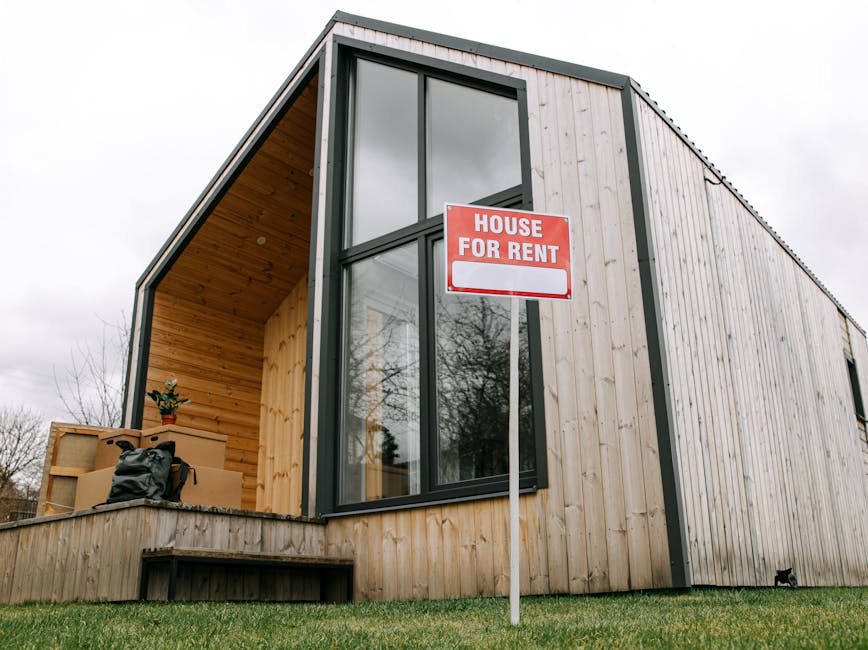
AB 1482 doesn't apply to every rental unit. You're exempt if:
- The unit was built after January 1, 2020
- You live in the property as the owner and rent no more than two units total (owner-occupied exemption)
- The unit is covered by a local rent control law that's stricter than AB 1482
However, even if you're exempt from the rent increase cap, California law still requires you to provide 30-day notice before any increase. You can't raise rent without notice, regardless of exemption status.
Newer construction units (post-2020) give you more pricing flexibility, but you still can't ignore basic notice requirements or local rent control rules that might apply.
How to Calculate Your Regional CPI
The tricky part for many owners is finding the right CPI number for their region. California divides the state into regions, and each region has its own Consumer Price Index tracked by the U.S. Bureau of Labor Statistics.
To calculate your allowable increase:
- Identify your region (Bay Area is typically the San Francisco-Oakland-San Jose metro area)
- Find the CPI change for the 12 months ending in September of the prior year (this is the standard lookback period)
- Add that percentage to 5%
- Compare to 10%, and use whichever is lower
The California Department of Housing and Community Development publishes these calculations annually for each region. You can find them on the official California HCD website, which updates the numbers every year.
Don't guess. Pull the official numbers and document them with your notice to tenants. This paper trail protects both you and your tenant.
What Happens If You Violate Rent Increase Laws?
If you raise rent above the legal cap or fail to provide proper notice, tenants can challenge the increase in court. They can also file complaints with local housing authorities.
Penalties vary but can include:
- Rent reduction orders (forcing you to lower the rent)
- Reimbursement of overcharged rent to the tenant
- Attorney's fees and court costs
- Potential eviction restrictions or unlawful detainer defenses
A single mistake can turn into months of legal proceedings. That's why MarinOak Management recommends documenting every step of your rent increase process and staying current with your local rules.
Multi-Unit Properties and Notice Timing

If you own multiple units, you don't have to raise rent on all units at the same time. You can increase rent on different units at different times, as long as you respect each tenant's individual lease anniversary and provide proper notice.
However, you must follow the same percentage cap for all units. You can't raise one tenant's rent by 8% and another's by 3% just because you prefer one tenant—the increase must be justified by the same legal calculation for each unit.
Tracking separate lease terms and notice dates across a portfolio becomes complicated fast. Many Bay Area property owners in Alameda, San Leandro, and other East Bay communities find that professional property management software helps eliminate confusion and protects against accidental violations.
Related: Condo Management 101: What Owners Need to Know
Staying Compliant Year After Year
Rent increase laws aren't a one-time checklist. They change slightly each year as CPI numbers update. You need a system to stay on top of annual caps, local rule changes, and tenant notification timelines.
Whether you manage one property or ten across the East Bay, compliance requires:
- Tracking each tenant's lease anniversary date
- Pulling current CPI data before each renewal period
- Checking local jurisdiction rules annually
- Documenting every notice you send
- Keeping records of rent payment history
Many owners handle this manually and miss deadlines or miscalculate percentages. Others partner with professional property management firms that automate compliance tracking and ensure notices are sent correctly, on time, and with all required documentation.
Frequently Asked Questions
Can I raise rent more than once per year?
No. California law limits you to one rent increase per 12-month period. The 12 months runs from the start date of your tenant's lease cycle, not the calendar year. If your tenant's lease renews June 15, you can only increase rent once between June 15 and June 14 of the following year.
What if my tenant hasn't signed a new lease—are they on a month-to-month agreement?
Month-to-month tenants still have protection. You must provide 30 days' notice before any increase, and the increase is still capped at the state or local limit. The 12-month clock resets each month for month-to-month agreements, so you can technically increase rent once per month—but the increase each time must comply with the annual cap.
Does AB 1482 apply if I own a duplex and live in one unit?
If you live in one unit and rent out one other unit, you're exempt from the rent increase cap but still must provide 30 days' notice. If you own a duplex, triplex, or fourplex and live in one unit, you're only exempt for that one unit. Any additional units you rent are subject to rent control.
Can I charge "other fees" to get around the rent increase cap?
No. California law treats rent and mandatory fees (parking, trash, utilities you control) as part of the tenant's total housing cost. You can't circumvent the rent cap by raising parking fees, pet fees, or other charges that were previously included. If a charge is mandatory and directly related to tenancy, it's considered rent and falls under the same cap.