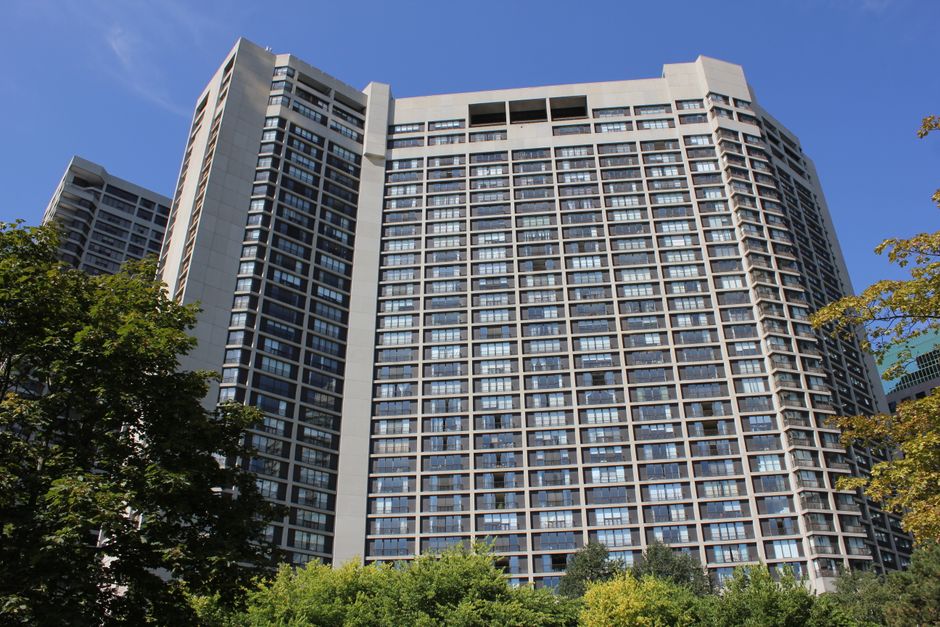
Condo management is basically the umbrella that covers all the operational stuff keeping your building running smoothly. It includes finances, maintenance coordination, resident support, and the systems that make payments and communication happen. If you own a condo in the East Bay—whether it's in Alameda, San Leandro, or anywhere across the region—understanding what condo management involves will save you major headaches down the line.
What Does Condo Management Actually Cover?
Condo management is way broader than most people think. It's not just about collecting rent or fixing a leaky faucet. A solid condo management operation touches nearly every aspect of keeping your property and community functioning.
Related: Bay Area Property Management for Landlords: What You Need to Know
Related: Property Law Basics: What Bay Area Owners Need to Know
Related: Squatters Rights California: What Owners Need to Know
Financial Administration is the backbone. This means budgeting for the building, collecting assessments and fees, tracking expenses, paying vendors, and maintaining clear books. You need transparency here—especially if you're an owner trying to understand where money is going.
Maintenance Coordination is what keeps your building from falling apart. It includes scheduling regular maintenance, handling emergency repairs, managing vendors (plumbers, electricians, contractors), and ensuring common areas stay safe and functional. In places like San Leandro and Alameda where older buildings are common, this becomes even more critical.
Resident Support covers day-to-day tenant communication, handling complaints, enforcing lease rules, and making sure people actually follow community guidelines. A good management company acts as the buffer between you and your residents.
Online Payment Systems let residents pay rent digitally and give owners real-time visibility into who's paid and who hasn't. It's one of those modern conveniences that separates outdated operations from professional ones.
Board Governance Assistance (if you have an HOA or condo association) means supporting board meetings, compliance with local regulations, and helping with strategic planning. This keeps your building on the right side of the law.
Key Differences: Condo Management vs. Traditional Rental Management
Here's where people get confused. Condo management and rental property management overlap but aren't exactly the same thing.
With condo management, you're often dealing with an association or board structure. There's a layer of governance involved. The management company works for the association (or helps support it), and you're both following specific bylaws and regulations that come with that structure.
With traditional rental management, it's more straightforward: the management company works directly for you as the owner. They handle tenant screening, lease enforcement, rent collection, and maintenance. No board. No association voting. Just you, the management company, and your residents.
Both involve finances and maintenance. Both require clear communication. But the governance piece makes condo management a bit more complex. You're not just managing a property—you're managing a community structure.
Why Professional Condo Management Matters in the East Bay
If you own in Alameda, San Leandro, or anywhere across the East Bay, professional condo management becomes especially valuable. Here's why:
Local Knowledge Counts. The Bay Area real estate market is specific. Property tax rules, tenant laws, building codes—they vary by city. A management company that knows your exact community can navigate these details without you having to become an expert yourself.
Older Buildings Need Attention. Many East Bay condos and townhomes were built decades ago. Maintenance isn't optional—it's constant. Professional management means proactive scheduling instead of reactive emergencies at 2 AM.
Vendor Relationships Save Money. When you have an established relationship with plumbers, electricians, and contractors, you get better rates and faster service. A professional management company has these connections already built.
Compliance Is Real. California tenant laws are strict. HOA rules are specific. If something goes wrong and you haven't been following protocol, you're exposed. Professional management keeps you compliant.
What to Look for in a Condo Management Company

Not all management companies are built the same. When you're evaluating options, here's what actually matters:
Transparency First. You should have real-time access to financial reports, maintenance schedules, and tenant communications. If a management company makes you chase them for updates, that's a red flag. You deserve clarity about what's happening with your property.
Technology That Works. Online payment systems, digital record-keeping, and communication portals should be intuitive for both you and your residents. Old-school spreadsheets and phone calls don't cut it anymore. Look for companies that have invested in modern software—ideally built in-house by someone who understands property management deeply.
Local Expertise. Whether you're in San Leandro, Alameda, Oakland, Berkeley, or Hayward, find a company that knows your specific neighborhood. They should understand local market conditions, vendor availability, and community dynamics.
Responsive Communication. When something breaks or a resident complains, you need quick responses. Not weeks. Not vague updates. Real communication from someone who actually knows your property.
Reasonable Fees. Management costs vary, but you should understand exactly what you're paying for. Hidden fees are annoying. Transparent pricing is better.
Common Condo Management Challenges
Before you hire someone, know what you're signing up for. These are the issues that come up constantly:
Board Conflict. When you have an HOA or association, personalities clash. The management company often gets caught in the middle of resident disputes, board disagreements, or financial conflicts. A good company navigates this professionally. A bad one makes it worse.
Deferred Maintenance Costs. If the previous management company ignored problems, you might inherit expensive repairs. A professional management company should do a thorough assessment early and flag what needs attention.
Resident Turnover. In competitive markets like the East Bay, tenant turnover happens. Management needs to handle screening, lease enforcement, and transition smoothly.
Reserve Fund Planning. Buildings need money set aside for major repairs (roof replacement, foundation work, etc.). Many management companies don't plan well for this, leaving associations scrambling when a big bill arrives.
How to Evaluate Your Current Condo Management
Already working with a management company? Here's how to tell if they're doing a good job:
- Can you access financial reports whenever you want them?
- Do they respond to maintenance requests within 24-48 hours?
- Are residents happy enough that complaints stay minimal?
- Do you understand the budget and where money is being spent?
- Are they proactive about preventative maintenance or only reactive?
- Can you reach someone if there's an emergency?
If you're nodding "no" to most of those, it might be time to consider a change. MarinOak Management specializes in exactly this transition—coming in, assessing the situation honestly, and building a better system from day one.
The Technology Factor in Modern Condo Management

Here's something that's changed dramatically in the last few years: software matters way more than it used to.
Generic property management platforms (the off-the-shelf stuff) try to do everything for everyone. That means they do most things poorly. They're clunky. They're slow. And they're not built specifically for condo management needs.
The best management companies—particularly those serving the Bay Area market—have built their own systems tailored to real condo management. This means faster reporting, better financial tracking, and smoother resident communication.
When you're comparing management companies, ask about their technology. If they're using outdated software or won't explain how it works, that's telling.
Making the Decision: DIY vs. Professional Management
Some owners try to manage their condo themselves or rely on a volunteer board to handle everything. This usually doesn't work well.
Professional management gives you peace of mind. It means:
- Someone else handles the stress of vendor coordination
- Financial records are maintained properly (important for your own taxes and property documentation)
- Legal compliance is taken seriously
- Maintenance gets scheduled systematically, not just when emergencies hit
- Residents have clear communication with someone trained to handle complaints
The cost is worth it when you consider what you're getting: a hands-off investment in your property that's actually well-managed. That's the whole point.
Getting Started with Condo Management
If you're shopping for a condo management company or reconsidering your current situation, here's your action plan:
Step 1: List what's actually broken about your current situation (or what you need if you're starting fresh).
Step 2: Research local companies, especially those with deep roots in your specific East Bay community.
Step 3: Ask for references from current clients and actually call them. Ask specific questions about responsiveness, transparency, and how problems get solved.
Step 4: Interview at least two or three companies. Pay attention to whether they listen or just talk.
Step 5: Make sure you understand their fee structure and what's included before signing anything.
Finding the right management company is like finding the right doctor—it takes a bit of work upfront but saves enormous headaches later. The goal isn't the cheapest option. The goal is the one that actually manages well and communicates clearly.
Why Your Choice of Condo Manager Affects Your Bottom Line
Here's the honest truth: a mediocre management company costs you way more than their fees suggest.
Deferred maintenance becomes expensive. Resident turnover increases when communication is poor. Financial inefficiency adds up. Compliance mistakes can mean legal liability. A good condo management company prevents all of this by staying proactive.
If you're looking for a partner who understands condo management deeply and has built systems specifically designed for transparency and efficiency, companies that invest in their own technology and staff training are worth the conversation.
Frequently Asked Questions
What's the difference between condo management and property management?
Condo management typically involves working with an association or board structure and following specific bylaws. Property management is more direct—the company manages the property for you without an association layer. Both handle finances, maintenance, and residents, but the governance structure is different.
How much should condo management cost?
Fees vary by region and property size, but typically range from 3-6% of collected rent or a flat monthly fee. In the East Bay, costs reflect both local market conditions and the complexity of managing older buildings. Ask for a detailed breakdown so you know exactly what you're paying for.
Can a condo management company handle emergency maintenance?
Yes, and they should. Professional companies have emergency vendor relationships and 24/7 protocols for serious issues (burst pipes, electrical problems, etc.). This is part of why professional management beats DIY—you need someone ready to handle crises at 3 AM without it costing you a fortune.
How do I know if my current condo management company is doing a good job?
Check: Do you have transparent access to financial reports? Are maintenance requests handled quickly? Are residents mostly satisfied? Do you understand the budget? Are they proactive about preventative maintenance? If you're saying no to most of these, it's time for a change. Look for companies that prioritize clear communication and have invested in modern systems to track everything in real time.