
Tenant housing refers to residential properties rented out to occupants, but the term really encompasses everything involved in that relationship: finding quality tenants, screening applicants, setting lease terms, collecting rent, handling maintenance requests, and managing the legal side of landlord-tenant relations. It sounds straightforward until you're actually doing it.
What Exactly Is Tenant Housing?
At its core, tenant housing is any residential property where you (the owner) rent out space to someone else (the tenant) in exchange for regular payments. That could be a single-family home in Alameda, a duplex in San Leandro, or a multi-unit building anywhere across the East Bay.
But here's what most new property owners miss: tenant housing isn't just about the property itself. It's about the entire ecosystem around managing that relationship. You need to understand screening standards, lease agreements, maintenance responsibilities, rent collection processes, and local regulations that vary from Oakland to Pleasanton to Hayward.
The good news? If you would rather hand this job to a pro, MarinOak Management handles all of this end-to-end, so you can focus on owning rather than managing.
Key Components of Tenant Housing Management
Managing tenant housing involves several interconnected pieces. Let's break them down:
- Tenant Placement: This is different from just posting a listing. True tenant placement involves actively sourcing qualified candidates, running thorough background and credit checks, verifying employment and rental history, and matching the right person to the right property.
- Screening Process: You need to evaluate applications fairly and legally, checking for red flags without discriminating. This isn't where you guess—you follow a documented process that protects you later.
- Lease Administration: Your lease agreement sets every rule, from move-in dates to pet policies to maintenance responsibilities. A poorly written lease creates chaos; a solid one prevents disputes.
- Rent Collection: Getting paid on time, every time. This sounds simple but requires systems, follow-up protocols, and sometimes enforcement.
- Maintenance & Repairs: Your tenants will need things fixed. You need a process for handling requests, coordinating contractors, and keeping detailed records.
- Legal Compliance: Security deposit limits, notice requirements for evictions, fair housing laws, and local rent control ordinances—they're all different depending on where your property sits. Alameda has its own rules, San Leandro has others, and so does every East Bay community.
Why Tenant Housing Matters for Property Owners
If you own residential real estate, tenant housing directly affects your cash flow, your liability, and your quality of life as a landlord.
Poor tenant placement leads to late rent, property damage, eviction cases, and months of vacancy while you find someone new. Strong tenant housing practices mean consistent income, fewer emergencies, and tenants who respect your property.
Legal compliance protects you. Landlord-tenant regulations are always changing, and mistakes can be costly. Whether it's how you collect security deposits, the notice you give before entry, or eviction procedures, getting these wrong invites lawsuits and regulatory penalties.
The tenant-landlord relationship also sets the tone for everything else. A good tenant makes your life easier; a bad one drains your time and money.
Finding Quality Tenants for Your Property
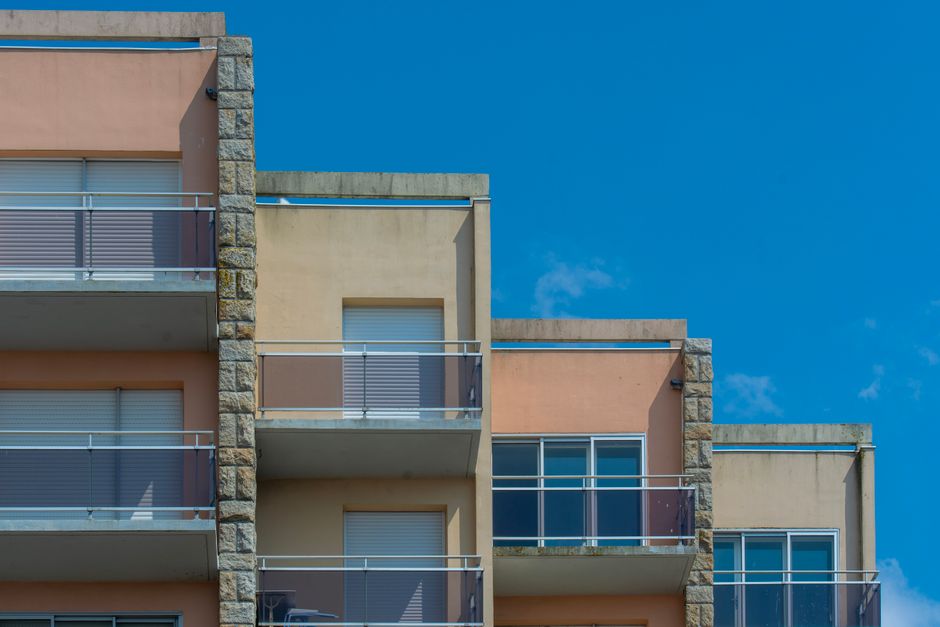
The first step in tenant housing is finding the right person to occupy your space. This is where many landlords go wrong—they rush the process or rely on word-of-mouth alone.
Start with a solid listing. Be specific about what you're offering: square footage, amenities, lease term, move-in costs, and any house rules. Post on multiple platforms so you're not just reaching one pool of renters.
When applications come in, don't just skim them. Run background checks that include criminal history, eviction records, and credit reports. Call previous landlords and employers. Ask specific questions about why they left their last place, how they handle maintenance issues, and whether they've had late payments.
This screening step is critical. You're looking for someone stable, responsible, and likely to treat your property well and pay rent on time. If an applicant seems like a maybe, they're a no. You want a yes.
Setting clear criteria upfront—income level, credit score minimum, employment status, number of occupants—helps you evaluate fairly and consistently. It also protects you legally because you're applying the same standard to everyone.
Setting Lease Terms and Rent Rates
Your lease agreement is your contract. It needs to be clear, legally compliant with Bay Area regulations, and specific to your property.
Don't use a generic template you found online. Tenant housing rules vary wildly across the East Bay. What works in San Leandro might not work in Oakland. What's standard in Alameda might violate rent control rules in Berkeley.
Related: Berkeley Off Campus Housing: Complete Search Guide for 2026
Related: East Valley Property Management: A Complete Guide
Cover the essentials: lease term, rent amount and due date, security deposit limits (which are often tied to rent in your area), late fees, maintenance responsibilities, pet policies, parking, utilities, and house rules. Include what happens if rent is late and what notice you'll give before entry or lease renewal.
Rent rates should reflect your market, your property condition, and local standards. Don't price too high hoping to attract only premium tenants—you might just sit vacant. Price competitively for your area and your unit type so you can fill it with quality people.
Rent Collection and Payment Systems
Collecting rent consistently is the backbone of tenant housing management. You need a system that's easy for tenants to use and easy for you to track.
Offer multiple payment methods: ACH transfers, online portals, or automatic bank drafts. The easier you make it, the fewer excuses you get for late payments.
Set a clear due date and enforce it. If rent is due on the 1st, don't accept the 5th without consequence. Consistency matters.
When rent is late, follow up immediately. Send a notice, make a call, and document everything. The sooner you address it, the less likely it becomes a bigger problem.
Handling Maintenance and Repairs

Tenants will report maintenance issues—that's normal. How you handle them determines tenant satisfaction and property condition.
Create a clear process for reporting. Whether it's a phone call, email, or online portal, make sure tenants know how to reach you and what to expect.
Respond quickly. Most areas have habitability standards that require landlords to handle certain repairs within specific timeframes. Heating, plumbing, and structural issues can't wait weeks.
Keep records of every request, repair date, contractor used, and cost. This documentation protects you if disputes arise later and helps you plan capital improvements.
Some repairs are the tenant's responsibility (minor items they caused), and some are yours (structural, building systems, habitability issues). Your lease should clarify this, but local tenant laws often override what's written.
Understanding Tenant Housing Laws and Compliance
This is where tenant housing gets complicated because regulations differ by city. What you can do in Hayward might be illegal in Oakland.
Security deposit limits are capped in most Bay Area communities. You can't just hold onto them without reason. You have deadlines for returning deposits and providing itemized deductions.
Notice requirements matter. If you need to enter the property for repairs, you usually need to give tenants advance notice (24-48 hours is common). If you want to end a lease, you need to provide proper notice—30, 60, or 90 days depending on your city and the reason.
Fair housing laws apply everywhere. You can't discriminate based on protected characteristics like race, religion, family status, disability, or gender. Your screening criteria must be applied equally to all applicants.
If a tenant refuses to leave, you can't just lock them out or remove their belongings. You need to file for eviction through the court system, which has its own rules and timelines.
Given how complex this landscape is across Alameda, San Leandro, and the broader East Bay, many property owners benefit from working with someone who knows the local rules inside and out. MarinOak Management has deep experience navigating these regulations across different Bay Area communities.
Tenant Housing Across Different Bay Area Communities
One mistake property owners make is assuming tenant housing works the same everywhere. It doesn't.
In Oakland, you're dealing with some of the strictest rent control and tenant protection laws in the country. Rent increases are capped, and eviction is heavily regulated. In San Leandro and surrounding areas, regulations are less restrictive but still specific to each city.
Alameda has its own rental regulations that differ from neighboring communities. Berkeley adds additional layers. Each East Bay city has unique rules about notice periods, allowed rent increases, and grounds for eviction.
Before you buy or rent out a property, understand the rules in that specific city. Don't assume. The cost of getting it wrong is way higher than the cost of learning upfront.
Technology and Tenant Housing Management
Modern tenant housing management relies on software to track rent payments, maintenance requests, lease dates, and tenant communications. Without it, you're drowning in spreadsheets and emails.
Look for systems that let you accept online rent payments, communicate with tenants in one place, track maintenance requests with photos and status updates, store documents securely, and generate reports on your portfolio performance.
The best systems are built specifically for residential property management, not borrowed from commercial real estate or general business management. They understand your specific needs.
People Also Ask
What is tenant housing in real estate?
Tenant housing refers to residential properties that are rented to occupants. But it encompasses the entire process: finding tenants, screening applications, managing leases, collecting rent, coordinating maintenance, and staying compliant with local regulations. It's not just about the property—it's about the entire relationship and all the systems that support it.
What's the difference between tenant screening and tenant placement?
Tenant screening is evaluating whether an applicant meets your criteria—running background checks, verifying credit, contacting previous landlords. Tenant placement is the broader process of actively sourcing qualified candidates and matching them to your property. Screening is part of placement, but placement also includes marketing the property, handling the application process, and preparing for move-in.
Related: Tenant Screening and Placement Bay Area: Your Complete Guide
How do I find reliable tenants for my Bay Area property?
Post your listing on multiple platforms to reach a larger pool. Set clear criteria for what you're looking for—income level, credit score, employment status. When applications arrive, don't rush: run thorough background checks, contact references, and ask detailed questions about their rental history and why they moved. Take your time to find the right fit rather than settling quickly.
What are the biggest mistakes landlords make with tenant housing?
Rushing the screening process and ending up with a bad tenant. Not understanding local regulations and accidentally breaking the law. Ignoring maintenance requests and letting problems grow. Not having clear lease terms that set expectations. Accepting late rent without consequences. Most of these problems come from trying to manage tenant housing without systems, documentation, or professional guidance.