
San Francisco rent control is one of the strictest tenant protection frameworks in California, and it directly impacts how much you can raise rent on your tenants each year. If you own residential property in SF, you need to know the rules—because getting them wrong can cost you thousands in fines and back rent disputes.
Here's the quick answer: for the 2026-2027 period, San Francisco allows you to raise rent by a maximum of 1.6% annually (effective March 1, 2026). But that number only applies to certain units, and there are specific exemptions you need to understand.
What Is San Francisco Rent Control?
The San Francisco Rent Ordinance is a local law that caps how much landlords can raise rent each year and requires just-cause eviction protections. It's been in place since 1979 and applies to most residential rental properties built before June 13, 1979.
The ordinance doesn't just limit rent increases—it also means you can't evict a tenant without a legally valid reason. The two work together: you have limited pricing power, but tenants have strong stability protections.
Understanding rent control matters whether you're buying a San Francisco property, inheriting one, or currently managing units in the city. One misstep on a rent increase notice can invalidate the entire increase and expose you to liability.
Related: Berkeley Homes: A Guide to Buying, Selling & Managing in 2026
Related: California Renters Rights: Your Complete 2026 Guide
2026-2027 Rent Increase Limits in San Francisco
For leases renewing or month-to-month tenancies between March 1, 2026 and February 28, 2027, the allowable annual rent increase is 1.6%.
This number is recalculated every year and is based on 60% of the Bay Area Consumer Price Index (CPI). In 2025-2026, the limit was 1.4%. The percentage changes because inflation changes.
The increase applies to the lawful base rent—meaning the rent that was legally charged when the tenant moved in or when the last compliant increase took effect. You can't raise rent above this limit, and you can't add fees to work around the cap.
What Properties Are Covered by SF Rent Control?
Not every rental property in San Francisco falls under rent control. Here's what's protected:
- Multi-unit buildings (apartments, duplexes, triplexes built before June 13, 1979)
- Mobile home parks with existing tenancies before the ordinance date
- Residential hotels with units rented for longer than 30 days
What's exempt:
- Single-family homes and owner-occupied condos (under the Costa-Hawkins Act)
- Buildings with four or fewer units where the owner occupies one unit
- New construction built after June 13, 1979 (for the first 15 years from initial occupancy)
- Units where the tenant voluntarily moved out (though limits apply if you re-rent)
That single-family and condo exemption is huge. If you own a condo in San Francisco, you're not subject to rent control on that specific unit. But if you own a four-unit building and don't live there, all four units are likely covered.
How to Properly Increase Rent Under SF Law
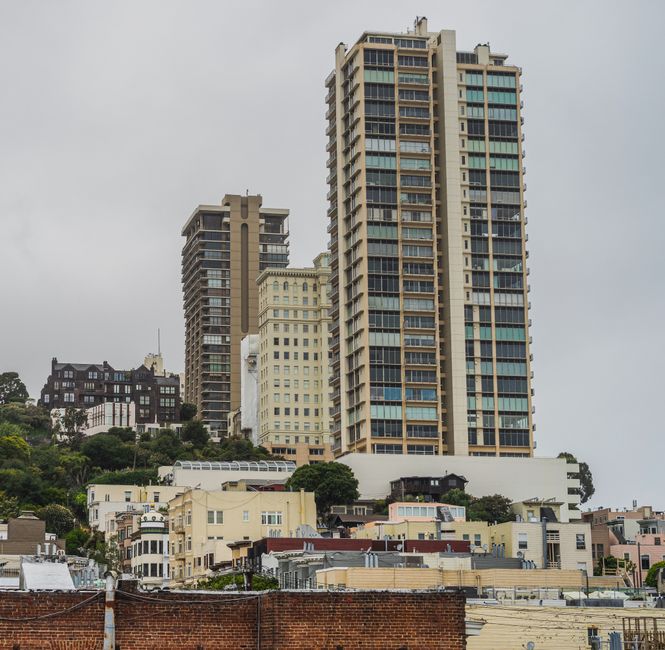
Raising rent in San Francisco requires following exact procedures. One mistake—a wrong date, missing language, or late notice—can void the entire increase.
Step 1: Calculate the allowable increase. Take the tenant's current lawful rent and multiply it by 1.016 for the 2026-2027 period. That's your maximum. You can increase by less, but not more.
Step 2: Provide proper notice. You must give at least 30 days' notice for an increase up to 10% of current rent, or 60 days' notice for any increase over 10%. Since San Francisco caps are typically 1-2%, you'll usually need 30 days' notice.
Step 3: Use the correct notice form. San Francisco requires specific language in the notice. The form must state the current rent, the new rent, the date the increase takes effect, and cite the local rent control ordinance. It's not optional language—it's a legal requirement.
Step 4: Deliver the notice correctly. Hand-delivery, certified mail, or email (if the tenant has agreed to electronic notice) all work. Keep proof of delivery. A text message or casual email doesn't count.
If you miss any of these steps, you can't enforce the increase. Some tenants will push back on valid increases simply to test if you followed procedure correctly—and if you didn't, they win.
This is why many San Francisco property owners work with someone who knows local compliance inside out. When you're managing properties across the Bay Area—whether in San Francisco, Alameda, San Leandro, or elsewhere—staying compliant with each city's unique rules is critical. MarinOak Management handles rent increase compliance and notices as part of their core management service, so you don't have to memorize local ordinance changes each year.
Exemptions and Special Situations
Even covered properties have situations where rent control limits don't apply:
Voluntary move-outs. If your tenant leaves voluntarily, you can raise the rent to market rate for the next tenant. But you can't increase rent to force them out, and you still need to follow eviction law if they stay.
Capital improvements. Major renovations (new roof, foundation work, plumbing overhaul) can justify rent increases beyond the cap, but only the proportional cost of the improvement. You'll need documentation and the tenant has a right to a rent reduction if the work reduces habitability.
Banked increases. In some years, the allowable increase might be lower than what you're allowed to charge. Can you "bank" that difference and apply it later? The answer is no—you lose it. Each year's limit is the absolute maximum, and you can't roll over unused increases.
Due Diligence Before Buying or Taking Over a San Francisco Property
If you're purchasing or inheriting a San Francisco rental property, you need to audit its rent control compliance before you close or take ownership. This is critical.
Check the building's construction date. Get a copy of the building permit or official records showing when the structure was built. If it's post-June 1979, it might be exempt. If it's pre-1979, it's almost certainly covered.
Document the lawful base rent. Gather the last 3-5 years of rent rolls and increase notices. Identify what rent the current tenants are paying and verify that all previous increases complied with the cap. If a prior owner increased rent by 5% in a year when the cap was 1.5%, you're inheriting a non-compliant lease—and the tenant might be owed the difference.
Review lease agreements. Make sure there are no automatic escalation clauses, parking fees, or pet deposits that violate SF law. The city restricts or prohibits certain fees even in rent-controlled buildings.
Verify security deposit compliance. San Francisco law requires deposits to be in interest-bearing accounts and returned within specific timelines. If the prior owner didn't follow this, you're liable.
Check for eviction history. Research whether any tenants were improperly evicted under rent control law. You could inherit liability for retaliation claims.
This due diligence is tedious, but it saves you from paying back rent, fines, and legal fees later. If you're buying investment property in San Francisco or any Bay Area market, working with a management company that specializes in local compliance before you even close is a smart move.
Why Rent Control Affects Your Investment Strategy

Here's the honest financial reality: San Francisco rent control limits your annual revenue growth to 1-2%. Over 10 years, that compounds into significantly lower returns compared to non-controlled markets.
If you own a similar property in Alameda or San Leandro, you typically have more flexibility on rent increases (both cities have some rent control protections, but they're less restrictive than SF). This affects cap rates, cash flow projections, and exit strategy timing.
If you're comparing San Francisco properties to Bay Area alternatives, factor in the rent control ceiling as a permanent constraint on revenue growth. You're not investing for quick appreciation—you're investing for stable, modest rental income.
Common Mistakes Property Owners Make
Raising rent more than once per year. You can only raise rent once per 12-month period. If a tenant's lease renews in March, you can't increase again until March of the following year, even if they stay month-to-month.
Sneaking increases through fees. You can't circumvent the rent cap by charging new "parking fees," "amenity fees," or "administrative charges." If the fee is really a way to increase what the tenant pays, it's treated as a rent increase and is subject to the cap.
Forgetting to renew the notice every year. Just because you increased rent last year doesn't mean the increase carries forward forever. You need to issue a new notice and follow procedure every single year.
Not keeping proof of delivery. If a tenant disputes the increase, you need to prove you gave proper notice. Email confirmation, certified mail receipts, or a signed acknowledgment—keep it all.
Resources for San Francisco Property Owners
The San Francisco Rent Board maintains an official website with the current year's allowable increase, downloadable forms, and FAQs. Visit the SF Rent Board to download the official rent increase notice form and verify the current cap.
If you're managing properties across multiple Bay Area cities, each has its own rules. Alameda has rent control that caps increases at 5% or CPI (whichever is lower), while San Leandro's restrictions are more limited. Keeping up with all of these is a part-time job on its own.
What Happens If You Violate Rent Control Law
Penalties for rent control violations include:
- Refund of illegally collected rent to the tenant (sometimes with interest)
- Civil penalties up to $500 per day per violation
- Attorney's fees and court costs paid by the landlord
- Tenant retaliation claims if the violation follows a complaint
A single improperly noticed increase can cost you thousands, especially if multiple tenants file complaints. The Rent Board takes enforcement seriously.
For San Francisco property owners who want to eliminate the compliance guesswork, MarinOak Management manages local ordinance compliance as part of their standard service. They track rent increase deadlines, prepare compliant notices, and handle delivery so you don't accidentally expose yourself to liability.
Frequently Asked Questions
Can I raise rent more than the allowable percentage if I make improvements to the unit?
You can charge a rent increase proportional to the cost of capital improvements, but it requires documentation and cannot exceed the improvement's value. Minor maintenance doesn't count—only substantial upgrades like new windows, plumbing systems, or appliance replacements qualify. You'll need to file the improvement with the Rent Board and give the tenant notice. The tenant can also request a rent reduction if the improvement temporarily reduces habitability.
What happens to rent control limits if a tenant moves out?
If a tenant leaves voluntarily, you can raise the rent to market rate for the new tenant. However, if you evict a tenant without just cause, rent control continues to apply to the next tenant. The key distinction: voluntary move-outs give you pricing freedom. Evictions do not.
Does rent control apply to my condo in San Francisco?
If you own a single-unit condo (not part of a larger building), you're exempt from rent control under California's Costa-Hawkins Act. If you own a condo in a multi-unit building managed as rental units, the individual units are likely covered. Check your building's occupancy structure and construction date to confirm.
Can I charge additional fees like utilities, parking, or pet fees in a rent-controlled unit?
You can charge separately for services and utilities if they're genuinely separate from the base rent (like water/sewer). However, parking and pet fees cannot be used to circumvent rent control caps. If the total amount the tenant pays increases above the allowed percentage, you've violated the ordinance. Some fees are prohibited entirely under SF law.