
A property inspect isn't just about walking through your rental and jotting down notes anymore. In 2026, landlords across the Bay Area—from Alameda to San Leandro and everywhere in between—are using digitized inspection platforms to document their properties faster, create professional reports, and stay compliant without the headache.
If you're managing rental properties and still using pen and paper (or worse, trying to remember everything), this guide walks you through what property inspect software does, why it matters for your investment, and how to make inspections actually work for you instead of against you.
Related: All County Property Management: What to Know in 2026
What Does "Property Inspect" Actually Mean?
When we talk about property inspect, we're usually referring to two things: the physical walkthrough of your rental unit, and increasingly, the software tools that help you document and report on what you find.
A property inspect involves checking everything from appliances and plumbing to paint, flooring, and general wear and tear. You're looking for damage beyond normal use, maintenance issues that need fixing, and anything that could become a liability down the road.
The "inspection" itself has been around forever. But the technology side is relatively new. Property inspection software platforms—like the digitized systems gaining traction across the East Bay—let you snap photos, fill out templated checklists, and generate client-ready reports in hours instead of days.
Why Property Inspect Matters for Bay Area Landlords
Here's the reality: if you're not documenting your property's condition with clear evidence, you're exposed. Tenant disputes, insurance claims, and security deposit disagreements all hinge on having solid documentation.
Related: San Francisco Rent Board: What Landlords Need to Know
Related: Tenant Background Search: What Landlords Need to Know
A property inspect—done well—creates a paper trail. It proves the condition of your unit before a tenant moved in, during their occupancy, and at move-out. That matters legally. It matters financially. It matters when you need to recover damages or defend yourself in a dispute.
Beyond liability, inspections help you catch small problems before they become expensive ones. That leaky faucet in Alameda becomes a wall mold issue if you ignore it for six months. The cracked tile becomes water damage. Early detection saves money.
And let's be honest: professional documentation looks professional. If you're inspecting your properties the way MarinOak Management approaches property oversight—with clarity, technology, and a system—you're already ahead of most individual landlords.
The Property Inspect Process: Step-by-Step
Step 1: Schedule and Notify
You can't just show up unannounced (in California, anyway). Give tenants proper notice—usually 24 hours. Be respectful about timing. A property inspect is routine maintenance; treat it that way.
Step 2: Create a Checklist
Before you walk in, know what you're looking for. Modern inspection software gives you templates, but your checklist should cover: exterior condition, roof and gutters, interior walls and ceilings, flooring, appliances, plumbing fixtures, electrical outlets, HVAC systems, and safety equipment like smoke detectors and fire extinguishers.
This matters whether you're in San Leandro or the hills of Berkeley. Same systems, same risks.
Step 3: Document With Photos and Notes
This is where software changes the game. Instead of writing "scratch on door," you take a photo, timestamp it, and add notes right there in the app. Later, you're not trying to remember whether the scratch was pre-existing or new. You have evidence.
Step 4: Note Measurements and Damage Severity
Don't just say "damage." Say "6-inch dent on south wall, approximately 4 feet from floor, appears to be impact damage." Specificity matters in disputes.
Categorize damage too. Is it cosmetic? A safety hazard? Functional damage that affects livability? The distinction helps you prioritize repairs and manage liability.
Step 5: Generate Your Report
Here's where digital inspection platforms shine. Your software compiles your photos, notes, and checklist data into a formatted report. No retyping. No scrambling to organize files. You're done faster, and the output looks professional.
Property Inspect Tools and Software Options
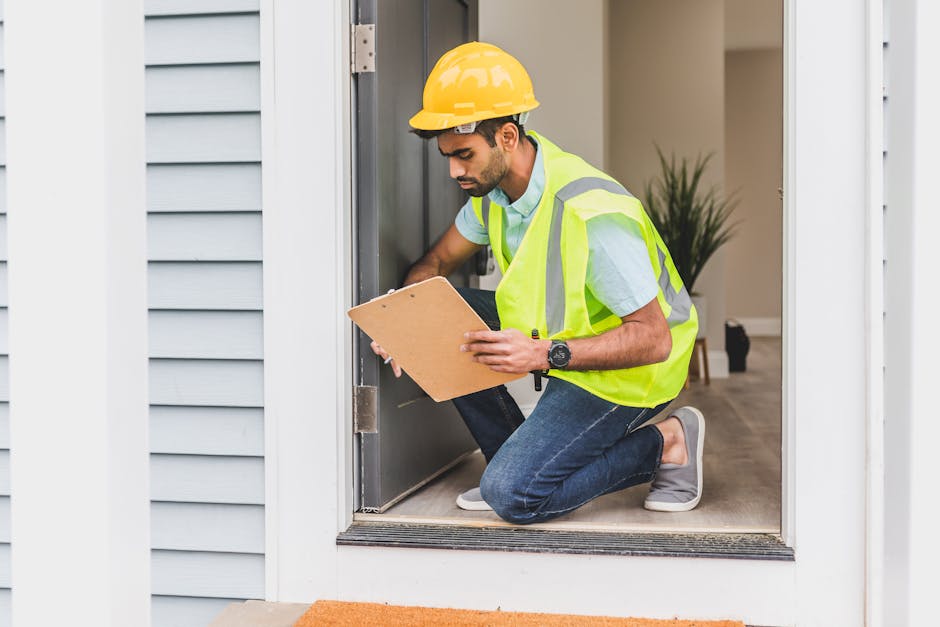
The market for inspection software is growing. According to recent industry data, top-performing property managers in 2026 are using digitized tools not because they're cutting corners, but because they're handling higher inspection volume with consistent, professional documentation.
When evaluating property inspection software, look for:
- Mobile access — You need to inspect on your phone, not drag a laptop to each unit.
- Photo management — Easy tagging, timestamping, and organization of images.
- Templates — Pre-built checklists save time and reduce missed items.
- Report generation — Automated, professional-looking outputs you can send to tenants or your insurance company.
- Cloud storage — Historical records accessible whenever you need them.
- Compliance tracking — Some platforms flag HUD compliance issues or safety violations automatically.
Not every landlord needs enterprise-grade software. If you own two rentals in Alameda, a smartphone app might be enough. If you're managing a portfolio of 20+ units across the East Bay, dedicated property management software with built-in inspection modules makes sense.
Move-In vs. Move-Out Inspections: What's Different?
These serve different purposes, so treat them differently.
Move-in inspections establish baseline condition. You and the tenant walk through together ideally, documenting everything. This is your defense against claims that pre-existing damage is their responsibility. Be thorough. Take lots of photos.
Move-out inspections compare current condition to move-in docs. You're identifying what changed. What damage is new? What wear is normal versus chargeable? This is where your documentation really pays off. If you have clear move-in photos from three years ago, you can accurately assess whether new damage warrants a deduction from the security deposit.
Both inspections should follow the same rigor. Both need photos. Both need notes. The difference is your purpose and the legal weight they carry.
Common Property Inspect Issues and How to Handle Them
Most identified issues fall into three buckets: cosmetic, repairable, and critical.
Cosmetic issues (small scuffs, minor paint touch-ups) are normal wear and tear. Don't sweat them. Don't charge tenants for them. They come with the territory.
Repairable issues (caulking needs replacing, door hinge broken, appliance not functioning) require action, but it's straightforward. Schedule the repair, budget for it, and move on.
Critical issues (electrical hazards, mold, structural damage, safety violations) demand immediate attention. These aren't negotiable. Fix them fast or your liability explodes. This is where inspections really protect you—you catch problems before they become disasters.
In properties across San Leandro, Oakland, and other Bay Area communities, the most common issues we see are water damage (slow leaks in kitchens and bathrooms), appliance failures, and wear on flooring and paint. None of these are surprises if you're inspecting regularly.
Property Inspect and Tenant Relations

Here's something that gets overlooked: inspections are a touch point with your tenants. Do them right, and you build trust. Do them wrong, and you create friction.
Be respectful. Give notice. Don't snoop. Focus on the property, not the tenant's housekeeping. If the unit is messy but not damaged, that's their business.
Share your findings transparently. If you identify a maintenance issue, let them know you'll fix it and when. If you're documenting wear for a future security deposit dispute, be honest about it. "I'm taking these photos for our records, so we both have documentation of condition" is perfectly reasonable.
Tenant cooperation with inspections often comes down to whether they feel like you're being fair and respectful. Transparency goes a long way. That's something MarinOak Management emphasizes in all owner relationships—clear communication removes conflict.
Legal and Compliance Considerations
California has specific rules around property inspections. You need proper notice (usually 24 hours). You need a legitimate reason (safety, maintenance, showing to prospective tenants). You can't harass with excessive inspections. And inspections must happen at reasonable times.
Keep your inspection records. They're your evidence if a tenant dispute escalates. They matter for insurance claims. They help you defend yourself if someone claims you didn't maintain the property properly.
Some inspection software flags compliance issues automatically—like if you haven't inspected a unit in over a year, or if you're missing required safety checks. That automation is genuinely valuable, especially if you manage multiple properties across different East Bay neighborhoods.
If you're serious about long-term property management and reducing your own headaches, having a documented system—whether it's software-based or not—is non-negotiable. That level of diligence is what separates investors who keep their properties valuable from those who don't.
Building Your Property Inspect Routine
You don't need to inspect every month. Annual inspections are standard. Some landlords do semi-annual. If you're dealing with problem tenants or older properties, more frequent inspections make sense.
The key is consistency. Mark it on your calendar. Make it a system. Assign it to whoever manages your properties. Build inspection reports into your broader property management workflow.
Whether you're using DIY software or working with a property management company that handles inspections for you, the outcome should be the same: clear documentation, professional reporting, and a system you can rely on year after year.
FAQs: Property Inspect Questions Answered
How often should I do a property inspect?
Annual inspections are standard for most residential rentals. If you have older properties, frequent turnover, or tenant issues, consider twice-yearly inspections. The goal is catching problems early without being intrusive. Document your schedule and stick to it.
Can I charge tenants for inspection costs?
Generally, no. Inspections are a landlord's responsibility and cost of doing business. Some states allow charges for damage inspections if damage is tenant-caused, but routine property inspections are on you. Check California law and your local ordinances to be sure.
What should I do if I find major damage during an inspection?
Document it thoroughly with photos and notes. Then communicate with your tenant if it's not their fault—let them know you found it and will be fixing it. If it's tenant-caused damage, follow your lease terms and local notice requirements before deducting from their security deposit or charging them directly. When in doubt, consult your local landlord-tenant laws.
Is property inspection software worth the cost?
If you manage more than three or four rental units, yes. The time savings alone—faster report generation, organized photo archives, automated compliance reminders—pays for itself. If you own one property, a smartphone camera and a simple spreadsheet might be enough. Scale matters.