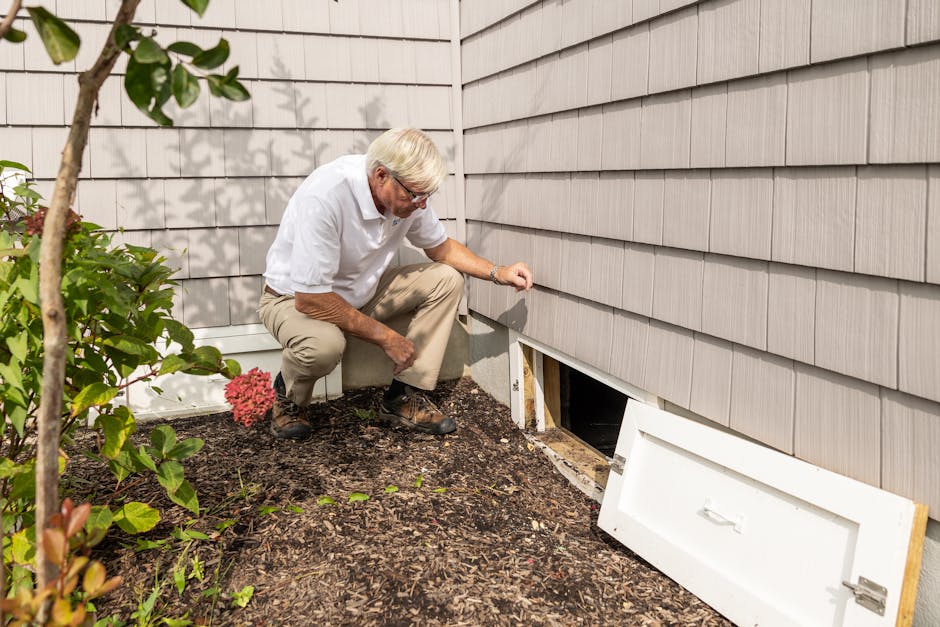
National property inspections are a thorough evaluation of a residential property's condition, systems, and structure. Whether you're buying, selling, or managing rental properties across the Bay Area, understanding what inspectors look for can save you thousands in unexpected repairs and liability issues.
If you own rental properties in Alameda, San Leandro, or anywhere else in the East Bay, knowing how inspections work helps you stay ahead of maintenance problems, set realistic rental rates, and protect your investment. Let's break down exactly what national property inspections entail and why they matter for your bottom line.
What Are National Property Inspections?
A national property inspection is a comprehensive assessment of a residential property's physical condition. Licensed inspectors evaluate everything from the foundation to the roof, checking systems like plumbing, electrical, HVAC, and structural integrity.
These inspections follow industry standards set by organizations like the National Association of Home Inspectors (NAHI). They're not pass-fail tests. Instead, inspectors document what they find so owners and potential buyers understand the property's true condition.
Related: Property Law Basics: What Bay Area Owners Need to Know
Related: Greystar Property Management: What Bay Area Owners Should Know
Related: First Realty Management: What Bay Area Owners Should Know
Related: Madison Property Management: What Bay Area Owners Should Know
Related: How to Evaluate Full-Service Property Management: 7 Key Criteria Bay Area Landlords Should Use
For property managers and landlords in the East Bay communities like Alameda and San Leandro, inspections serve a different purpose than they do for home buyers. You're looking for maintenance gaps, code violations, safety hazards, and habitability issues that could expose you to liability or vacancy losses.
Why National Property Inspections Matter for Bay Area Owners
The Bay Area real estate market moves fast. Properties that look good cosmetically might hide expensive problems. An inspector's trained eye catches what you'd miss walking through on your own.
Consider these reasons why inspections matter for your rental portfolio:
- Identify code violations before tenants move in (or before an inspector finds them during a dispute)
- Budget for major repairs like roof replacement or foundation work
- Understand true property condition to price rent accurately
- Protect yourself legally by documenting the property's state at turnover
- Catch safety hazards like faulty electrical panels, gas leaks, or mold
Many East Bay property owners skip inspections on properties they've owned for years, assuming they know the condition. That's where problems start. Properties age unpredictably, especially in older neighborhoods across Oakland, Berkeley, Alameda, and San Leandro where deferred maintenance compounds quickly.
When you work with MarinOak Management, part of our tenant placement process includes flagging maintenance items that could delay getting a unit leased or could trigger tenant complaints after move-in.
What Inspectors Check During a National Property Inspection
A full residential inspection typically takes 2-3 hours for a single-family home and covers these major categories:
- Exterior: Roof condition, siding, gutters, downspouts, foundation, grading, landscaping
- Interior: Walls, ceilings, floors, doors, windows, paint condition
- Roof: Material type, age, visible damage, flashing, ventilation
- Plumbing: Water pressure, drainage, visible leaks, water heater condition, shutoff valve location
- Electrical: Panel condition, breaker operation, outlet functionality, grounding, any amateur work
- HVAC: Furnace or heat pump operation, thermostat, ductwork, air filter
- Attic/Crawlspace: Insulation levels, ventilation, signs of pests or water damage
- Basement/Foundation: Cracks, efflorescence, moisture issues, structural concerns
Inspectors also note any code violations, expired permits, or work that was done without proper licensing. This matters a lot in established communities like San Leandro and Alameda, where older properties often have a patchwork of updates done by previous owners over decades.
The Difference Between a National Inspection and a Local One

You might wonder: is there really a difference between a "national" property inspection and a local one?
Technically, no. National inspectors follow the same industry standards (NAHI or ASHI standards) as local inspectors. The term "national" usually just means the company operates across multiple states and has developed consistent processes and training.
What matters is hiring a licensed, certified inspector who knows your specific market. An inspector familiar with East Bay properties understands common issues in older homes, knows local building codes, and can spot problems specific to our climate and soil conditions.
For example, foundation settling and water intrusion are huge issues in Alameda due to clay soils and proximity to water. A good inspector knows this and digs deeper in those areas.
How to Prepare Your Property for an Inspection
If you've requested an inspection of one of your rental properties, here's how to set it up for success:
- Clear access to all areas (attic, basement, crawlspace, mechanical closets)
- Ensure utilities are on so the inspector can test systems
- Remove personal items from cabinets so plumbing can be inspected
- Trim back landscaping to expose foundation and exterior
- Have all documentation ready (permits, warranties, service records)
- Provide access to the roof if it's safely accessible
Don't try to hide problems. Inspectors are trained to spot patch jobs and concealed damage. A honest inspection report actually protects you by giving you the full picture before a tenant discovers issues later.
What Happens After the Inspection
The inspector delivers a detailed report (usually within 24-48 hours) with photos, descriptions, and severity ratings for every finding.
You'll see items classified as:
- Safety concerns: Must be addressed immediately (electrical hazards, gas leaks, structural issues)
- Major repairs: Should be budgeted and scheduled (roof replacement, foundation work, HVAC replacement)
- Minor issues: Can be addressed during regular maintenance (caulking, paint, weatherstripping)
- Observations: Noted but not necessarily action items (cosmetic wear, age-appropriate wear)
Once you understand the property's condition, you can make informed decisions about repairs, pricing, and tenant placement strategy. Properties in San Leandro with older roofs or foundation concerns, for instance, should be priced and marketed differently than similar units without those issues.
This is where transparency becomes your competitive advantage. When you work with a property manager who shares inspection findings openly, you can plan financially and keep your tenants happy by addressing problems proactively rather than reactively.
Common Issues Found During East Bay Inspections
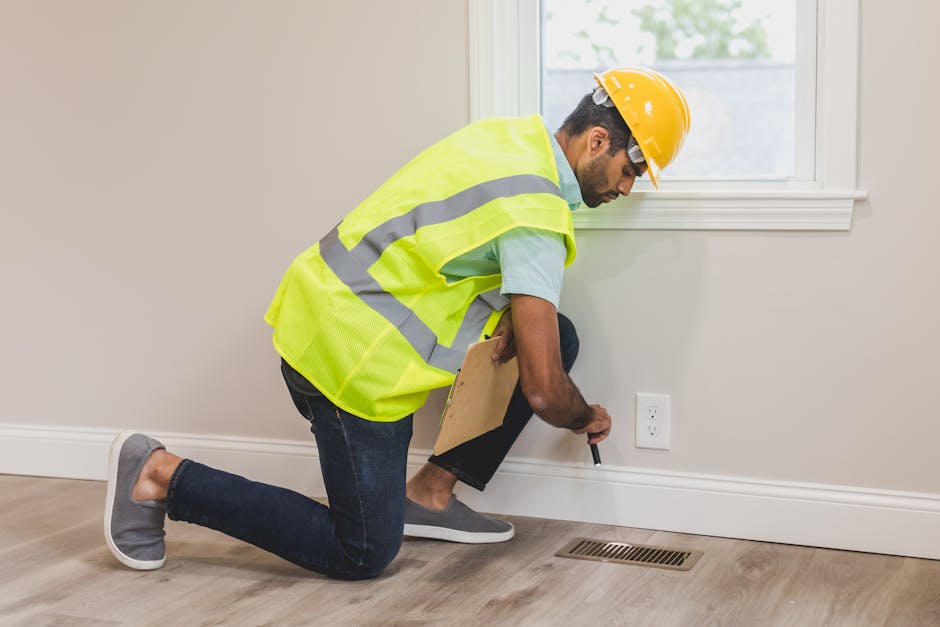
Based on the age and climate of properties across the East Bay, here are the most frequent findings:
- Outdated electrical systems (knob-and-tube wiring, undersized panels)
- Plumbing issues (galvanized pipes, corroded fixtures, inadequate water pressure)
- Roof wear (age, missing shingles, deteriorated flashing)
- Foundation cracks and moisture intrusion (especially in Alameda)
- HVAC systems past their lifespan (furnaces 25+ years old)
- Asbestos or lead paint in pre-1980s properties
- Inadequate insulation in attics
- Deferred exterior maintenance (siding, gutters, windows)
None of these are deal-breakers individually, but they help you budget accurately and set expectations with tenants.
Choosing an Inspector for Your Bay Area Property
When you need a national property inspection, look for:
- California state licensing and certification (required for all inspectors in California)
- Membership in NAHI or ASHI
- Experience with older Bay Area homes (specific to your community if possible)
- Detailed, photo-based reports
- Availability for follow-up questions
- Insurance and bonding
Many property managers in the East Bay have preferred inspector networks. If you're managing properties in Alameda, San Leandro, or other East Bay communities, having a go-to inspector who understands your portfolio saves time and ensures consistent quality across inspections.
Getting serious about your property's maintenance history and condition starts with a solid inspection. When you're ready to take a more hands-off approach to managing Bay Area rentals while staying informed, MarinOak Management coordinates inspections and maintenance tracking as part of our full-service approach.
Inspections and Your Rental Income Strategy
Here's an honest take: most Bay Area landlords don't inspect their properties regularly enough. You might rent out a unit in Alameda and assume everything's fine until a tenant calls with a serious problem.
Smart owners use inspections strategically. Annual inspections help you stay ahead of maintenance, catch code violations before they become tenant complaints, and maintain property values in competitive East Bay markets.
If you're managing multiple properties across the East Bay or focusing on a specific community like San Leandro, building inspections into your regular maintenance cycle protects your investment and keeps your rental income stable.
The Takeaway
National property inspections give you clarity about what you actually own. They remove guesswork, help you budget accurately, and protect you legally by documenting the property's condition.
Whether you're a hands-on landlord or prefer delegating maintenance coordination, understanding inspection reports helps you make better decisions about your Bay Area rental portfolio. Properties in Alameda, San Leandro, and across the East Bay benefit from proactive maintenance planning based on solid inspection data.
How often should rental properties be inspected?
Most property managers recommend annual inspections for rental properties, or whenever there's a turnover. If you're noticing recurring issues or the property is aging, semi-annual inspections can catch problems earlier and save money long-term.
Can I do my own property inspection instead of hiring a professional?
You can do a basic walkthrough, but a professional inspector has training, tools, and liability insurance. They'll catch hidden issues like foundation problems, electrical code violations, and structural concerns that untrained eyes miss. The cost (typically $300-500 in the Bay Area) pays for itself the first time an inspector catches a problem you would have missed.
Do I need an inspection if I just inherited a rental property?
Absolutely. This is one of the best uses for an inspection. You get a baseline understanding of the property's condition, any code violations, and maintenance needs. This helps you decide whether to keep the property, update it, or sell it.
What if the inspection finds major problems?
Major problems (foundation work, roof replacement, structural issues) need to be budgeted and prioritized. Don't ignore them, especially if they affect tenant safety or habitability. Address safety issues immediately. Schedule major repairs during vacancies when possible. Use the inspection report to negotiate with buyers if you're selling, or to plan your renovation timeline if you're keeping the property.