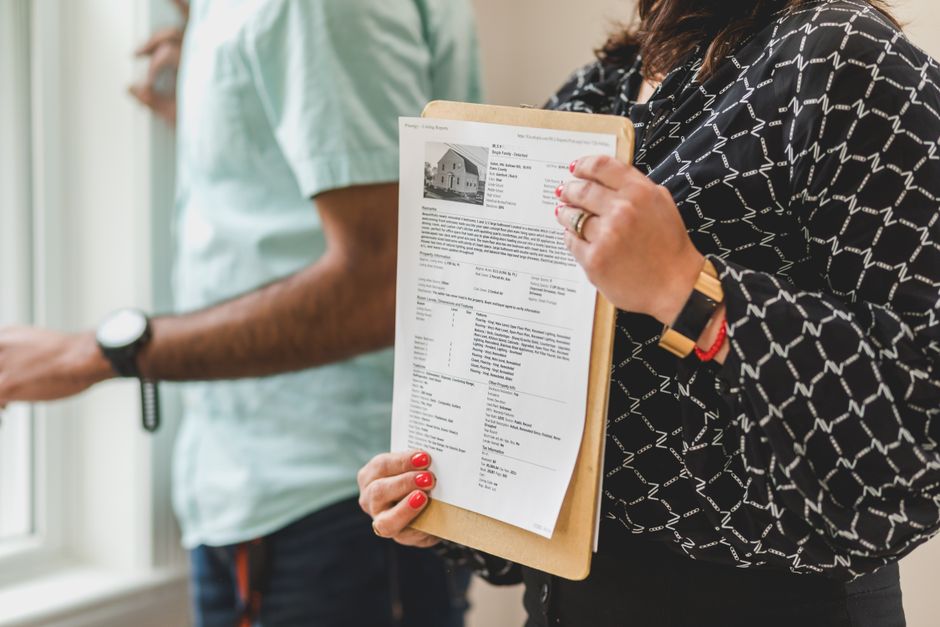
A legal description of property is the precise, official way to identify a piece of real estate. It's way more detailed than your street address—it's the language used in deeds, permits, and every formal real estate document that matters.
Here's the key: your street address alone isn't enough. A legal description uses measurements, boundaries, and reference points to pinpoint exactly where your property sits. Whether you're buying in San Leandro, refinancing in Alameda, or dealing with permits in Hayward, you'll need the correct legal description. Let's break down what it is, where to find it, and why getting it right saves you headaches.
The Three Types of Legal Descriptions
Legal descriptions come in three main flavors. Most Bay Area properties use one of these formats, so knowing which one applies to yours helps you navigate county records and closing documents faster.
Lot-and-Block (Platted) Descriptions
This is the most common type in developed areas like Oakland, Berkeley, and San Leandro. When a developer subdivides land, they create a plat map showing individual lots and blocks. Your legal description then references that plat.
It reads something like: "Lot 7, Block 3, Valley View Subdivision, as shown on the plat recorded in Book 45, Page 12, of the Official Records of Alameda County."
Simple. Standardized. Easy to verify. Most residential properties in the East Bay fall into this category.
Metes and Bounds Descriptions
Metes and bounds describe property by walking around its perimeter. You start at a known point, then list distances and directional bearings (north, south, east, west) as you trace the boundary.
It looks like: "Starting at the southeast corner of the property, proceed north 150 feet, then west 200 feet, then south 150 feet, then east 200 feet to the point of beginning."
This method is older and used more often in rural areas, smaller parcels, or properties that don't fit into a subdivision plat. You'll see it more in parts of Pleasanton, Livermore, or unincorporated County land than in dense neighborhoods.
Government Land Survey System (PLSS) Descriptions
The Public Land Survey System uses a grid based on townships, ranges, and sections. Each section is one square mile and can be subdivided further.
Example: "Section 15, Township 11 South, Range 2 East, Mt. Diablo Meridian."
This method is used mostly for large tracts, agricultural land, and older properties that predate subdivision plats. It's less common in residential Bay Area management, but you might encounter it when dealing with larger East Bay parcels or historical properties.
Why Your Legal Description Actually Matters
You might think: "I know where my house is. Why does the wording of the description matter?" Because it appears on your deed, your property tax bill, your insurance documents, and every permit you file.
A mismatch between your deed and a survey, or between your county records and your title company's records, can delay sales, block refinances, or create title disputes. When you're managing a rental property or planning to sell, clarity is non-negotiable.
If you're working with a property manager or attorney, they verify this stuff automatically. But understanding what goes into it—and knowing where to find your own legal description free—puts you in control.
How to Find Your Legal Description (Free)
You don't need to pay a title company or surveyor to find your legal description. County records are public, and many are available online.
Start with Your Deed
Your property deed (the document you received when you bought the house) has the full legal description printed on it. If you have digital copies of your closing documents, search for the word "legal" or look near the beginning of the deed itself.
Check Your County Assessor's Website
Every Bay Area county—Alameda, Contra Costa, Santa Clara, and others—maintains an assessor's database online. Search by owner name or property address, and the legal description shows up on your parcel detail page.
For example, Alameda County Assessor's Office lets you search properties free. Same goes for most East Bay counties.
Use County GIS (Geographic Information Systems)
Many counties offer free GIS mapping tools that display property parcels and their legal descriptions. You can zoom in, click on your property, and pull the data instantly. No login required.
Visit the County Recorder's Office
If you need a certified copy of your deed with the legal description, the county recorder maintains public records. You can search online, request documents by mail, or visit in person. Most recordings cost just a few dollars.
Verifying Your Legal Description Before Big Moves

Whenever you're buying, selling, refinancing, or filing a major permit, cross-check your legal description across three sources: your deed, your county assessor's records, and a recent title report if you have one.
Small discrepancies (like an old plat reference number) can sometimes be cleaned up. But major mismatches—like the description pointing to the wrong lot entirely—signal a title issue that needs professional review.
If you manage rental properties in San Leandro, Alameda, or anywhere across the East Bay, consistency is especially important. Insurance claims, tenant disclosures, and compliance audits all hinge on your property being correctly identified in the public record.
That's why working with experienced partners who understand Bay Area property law and nuance makes everything smoother. MarinOak Management handles these verification steps as part of standard property intake—because getting the details right from day one prevents problems down the line.
Common Mistakes to Avoid
Don't assume your street address and your legal description match perfectly. They often don't.
Don't use a legal description from an old document without verifying it against current county records. Property boundaries can be updated or corrected.
Don't hire someone to look up your legal description when county records are free and publicly available. Save that money for a real surveyor if you actually need one (usually only for disputes or new construction).
Don't mix up legal description with a survey. A legal description is what's on record. A survey is a physical measurement performed by a licensed surveyor to confirm the description matches the ground. You might need both for certain transactions, but they're different things.
When You Actually Need a Professional
For most questions—finding your description, understanding the format—you're good with free county records.
But hire a surveyor or title attorney if:
- Your property has no recorded plat (especially if it's older or in unincorporated East Bay areas)
- A legal description on an old deed doesn't match current county records
- You're building an addition and need to confirm setback lines
- You're buying or selling and the seller's description doesn't match the title company's version
- You're dealing with boundary disputes with neighbors
A licensed surveyor costs $500 to $1,500+ for a full survey, depending on property size and complexity. But it's insurance against costly title problems. If you're working with a property manager or real estate professional, they can guide you on whether a survey is worth it for your specific situation.
Legal Descriptions Across East Bay Communities

Older neighborhoods in Oakland and parts of Berkeley tend to use metes and bounds or older plat formats. Newer subdivisions in Pleasanton, San Ramon, or Livermore more often use modern lot-and-block systems.
Rural or unincorporated areas in Contra Costa County might reference PLSS sections. Alameda and San Leandro—densely developed—almost always use lot-and-block.
Knowing your community's typical format helps you spot errors faster. If you pull your legal description and it reads completely differently from neighbors' descriptions, that's worth double-checking.
Why It Matters for Property Management
If you own rental property, an accurate legal description is foundational. It ties your property tax records to your insurance policy, your lease agreements, and any tenant disclosures required by state law. Discrepancies can complicate evictions, prevent you from filing claims after damage, or raise questions during audits.
Solid property management starts with these fundamentals. When you work with experienced local operators who understand Bay Area property law inside and out, these details get handled before they become problems.
Takeaways
Your legal description is the official, precise way to identify your property. It's not your street address—it's the language used in deeds, permits, and legal documents.
You have three formats: lot-and-block (most common in developed East Bay), metes and bounds (older or smaller properties), and PLSS (large tracts, rare in residential settings).
Find it free through your deed, county assessor's website, or county GIS tools. Verify it against multiple sources before any major transaction or permit filing.
Most owner-investors don't need to think about this stuff constantly—but knowing where to find it and why it matters puts you ahead when you do need it.
What is a legal description vs. a street address?
A street address is a mailing location. A legal description is the precise, official identification of real property used in deeds and formal documents. Your house might be at "," but its legal description might be "Lot 7, Block 3, Oak Valley Subdivision." Both refer to the same place, but the legal description is what the law recognizes.
Can I use my street address instead of my legal description on official documents?
No. Permits, deeds, and formal filings require the legal description. Street addresses aren't precise enough for official purposes. Always use the legal description for legal documents, even though you'd naturally give someone your street address to visit you.
What should I do if my legal description doesn't match my deed?
First, verify both documents against your county assessor's current records. Small variations (like old reference numbers) are usually harmless, but major mismatches need attention. Contact your county recorder or a title attorney to correct the record. This is especially important before selling or refinancing.
Do I need a surveyor to find my legal description?
No. Surveys are expensive and unnecessary for simply locating your legal description. County records are free and public. Only hire a surveyor if you need a physical measurement of your property—like confirming boundaries for an addition or resolving a dispute.