
Finding the best residential property management company for your Bay Area rental comes down to a few core things: how well they communicate with you, how they protect your income, and whether they actually have systems in place to handle the work (not just promises).
If you're tired of chasing tenants for rent, dealing with maintenance emergencies at midnight, or stressing about whether you're following the latest California rental laws, you're not alone. The right property management partner can transform rental ownership from a constant headache into a real investment.
Related: Property Management in Berkeley, CA: What You Need to Know
Let's break down what actually separates the best companies from everyone else.
The Core Services That Matter Most
Before you even compare companies, know what you actually need. Residential property management isn't one-size-fits-all, and the best company for someone in San Leandro might have a different focus than the best choice for an owner in Alameda.
Here's what every solid residential property management company should handle:
- Tenant placement and screening - Finding qualified renters, running background and credit checks, and handling lease paperwork
- Rent collection - Actually getting the money from tenants and depositing it into your account on time
- Maintenance coordination - Responding to repair requests, vetting contractors, and keeping your property in good shape
- Legal compliance - Staying on top of California's strict landlord-tenant laws so you don't accidentally break them
- Tenant relations - Handling complaints, lease violations, and the human side of property management
Some companies add extras like accounting support, eviction services, or insurance coordination. Some don't. Neither is automatically better, but you need to know what you're paying for.
How to Spot a Professional Operation
Here's a hard truth: lots of people claim to do property management. Not all of them are actually set up to do it well.
The best residential property management companies use real technology to run their business. That doesn't mean they have a website or a mobile app (most do). It means they built systems specifically designed to manage properties efficiently, track tenants, handle maintenance requests, and protect owner income.
Why does this matter? When a company relies on outdated spreadsheets, manual processes, or off-the-shelf software that doesn't quite fit property management, things slip through the cracks. Rent gets delayed. Maintenance requests sit unanswered. You don't know what's happening with your property.
Some companies even build their own software because they couldn't find existing platforms that met their standards. That level of commitment to doing things right is worth noticing.
When you're evaluating companies across the East Bay - whether you own in Alameda, San Leandro, Hayward, Fremont, or anywhere else - ask specifically about their systems. How do you get updates? Can you log in and see your financials anytime? Do they have a maintenance request system? What happens when your tenant reports a problem at 9 PM on a Saturday?
Red Flags to Watch For
Some warning signs should make you keep looking:
- Vague communication - If they can't clearly explain how they'll contact you or how you'll access information, that's a problem. You deserve transparency.
- High turnover rates - Ask how long their average tenant stays and whether they have high eviction rates. That suggests screening or relationship issues.
- No clear pricing - Legitimate companies can explain exactly what you're paying and why. Hidden fees or unclear structures are a bad sign.
- Pressure to sign quickly - The best companies know you should take time to decide. Anyone pushing you is prioritizing their deal over your needs.
- Unwillingness to share references - Ask to talk to current owners. If they say no or seem hesitant, that's telling.
- Outdated technology - If their process involves faxes, checks by mail only, or calling you with updates instead of a portal where you can see everything, they're stuck in 2010.
Geography Really Does Matter
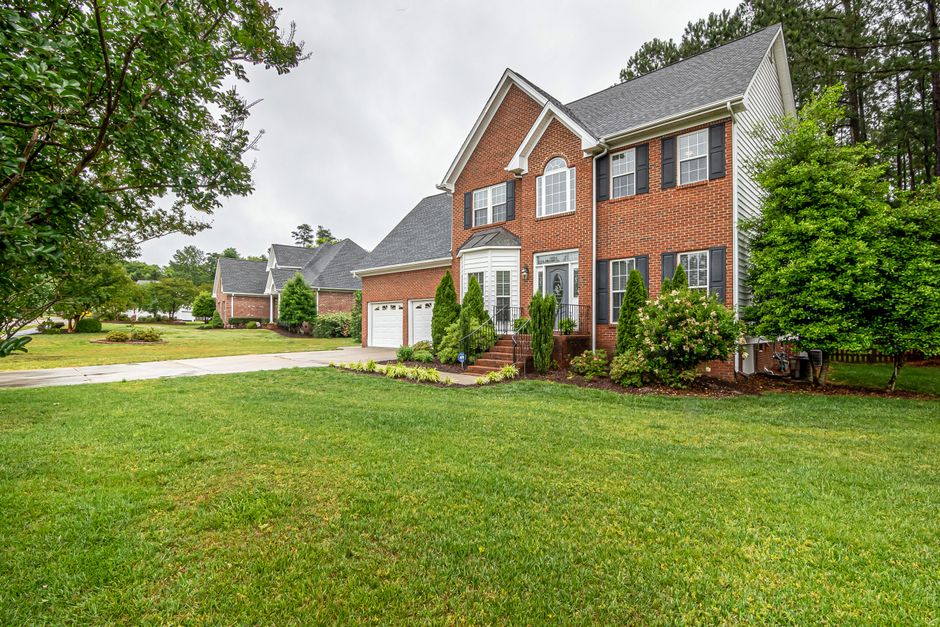
The Bay Area rental market is fragmented. What works great in one neighborhood might not work in another. Oakland and Berkeley get a lot of attention, but the East Bay stretches far beyond that.
Related: Best Property Management Oakland 2026: Top 5 Ranked
Related: Best Bay Area Property Management 2026: Top 5 Ranked
If you own in San Leandro or Alameda, you need a company that understands those specific neighborhoods - the tenant pool, local competition, market rates, typical maintenance issues, and which contractors are reliable. A company based in the Peninsula might not have that local knowledge.
When comparing options, make sure they have actual experience managing properties in your specific area. Ask how many units they manage there right now. Ask about typical rent ranges. Ask what they'd charge for your property specifically.
What Separates Good From Great
Most property management companies can collect rent and coordinate repairs. What separates the best residential property management companies is what happens beyond the basics.
Do they actually protect your income? That means aggressive rent collection, low vacancy rates because they screen tenants carefully, and proactive maintenance so small issues don't become expensive disasters.
Do they communicate like you're a partner, not a transaction? The best companies send regular updates, answer questions quickly, and give you access to real-time information about your property.
Do they take the legal side seriously? California landlord-tenant law is complex and gets stricter every year. Your property manager needs to stay current so you don't end up liable for something you didn't know about.
If you're ready to hand the management work to someone who actually cares about doing it right, MarinOak Management focuses on exactly these things across the entire Bay Area.
Questions to Ask Before You Commit
When you talk to property management companies, don't just ask about their services. Ask these specific questions:
- How many residential properties do you currently manage, and how many are in my area?
- What's your tenant retention rate? What's your vacancy rate?
- How do I access financial information about my property?
- How quickly do you respond to maintenance requests?
- What's your process if a tenant doesn't pay rent on time?
- Do you handle evictions, or do I need a separate lawyer?
- What happens if I need to reach you urgently?
- Can you provide references from owners with similar properties?
The answers will tell you a lot about whether they're actually well-organized or just talk a good game.
Making Your Final Decision

Choosing a residential property management company is ultimately about trust and alignment. You want someone who handles the business side so you can focus on ownership and investment.
The best company for you is the one that aligns with your priorities. If you value hands-off management, real-time transparency, modern technology, and protection of your rental income, spend time comparing companies that emphasize those things. Ask hard questions. Check references. Look beyond the marketing.
If you'd like to explore what working with a technology-first property management partner looks like, they're worth a conversation.
What's the difference between tenant screening and tenant placement?
Tenant screening is the vetting process - background checks, credit checks, references, employment verification. Tenant placement is finding the tenant in the first place through advertising, showing the property, and negotiating the lease. Great property managers do both really well, because you can't place good tenants if you don't screen properly.
How much does residential property management cost?
Pricing varies based on the size of your property, your location, what services are included, and how the company structures their fees. Some charge a percentage of rent, some charge flat fees, and some use a combination. Ask for a specific quote based on your property so you can compare apples to apples.
Should I use property management if I only have one rental?
If your property is in a competitive market like the Bay Area, professional management often pays for itself by reducing vacancy, collecting rent faster, and avoiding costly legal mistakes. Even one property can benefit from professional oversight if your time is valuable.
What happens if I'm unhappy with my property manager?
Most management agreements have a termination clause that lets you end the relationship with 30-60 days notice. Always read this before signing. If you're unhappy, give them clear feedback first - good companies respond to direct communication. If nothing changes, you have an exit path.